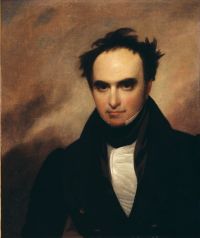
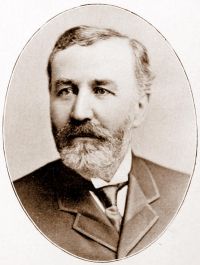
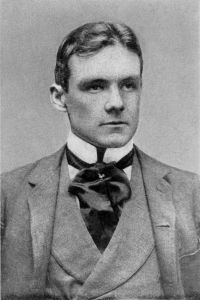
Public office refers to an elected or appointed political position, serving as a cornerstone of governance. Authors like Daniel Webster described it as a public trust, emphasizing that officials act as representatives of the people rather than for personal gain. Grover Cleveland associated it with civil service reform, aiming to reduce patronage systems, while Carl Schurz highlighted the ethical duty to prioritize the public interest over personal ambition.
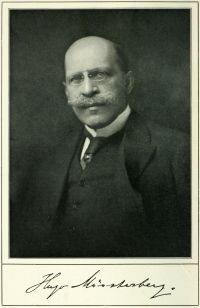
Hugo Münsterberg pointed out the accessibility of such roles, noting their openness to a wide range of citizens, and Franklin Edson stressed that suitability for office depends on viewing it as a duty, not a private privilege. These viewpoints collectively affirm that public office, as both a responsibility and a democratic institution, remains central to political integrity and collective governance.
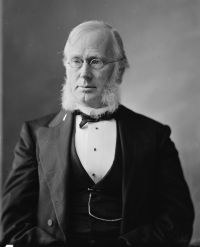 George Frisbie Hoar,
Autobiography of Seventy Years…
George Frisbie Hoar,
Autobiography of Seventy Years…