Rent (economics)

Definition and stakes

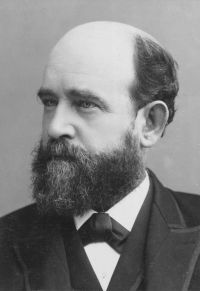
Portrait of Louis F. Post Louis F. Post,  The basic facts of economics (1927)

“ Although Rent reduces the proportion of Wages to Wealth it does not necessarily reduce the aggregate of Wages. On the contrary, Wages may be more in quantity when normal Rent is deducted from aggregate Wealth than before Rent arises. The reason is that Rent takes of Wealth only a surplus which is measured by degrees of superiority of the better over the poorest Land in demand. ”
Source: Gutenberg

Portrait of Louis F. Post Louis F. Post,  The basic facts of economics (1927)

“ Whether the surplus of Production or possible Production be called Rent for Land, or deductions from Wages for superior opportunities to Labor, or be otherwise distinguished from Wages for Labor, it none the less exists as a distinct and natural allocation of Wealth produced from and upon Land by Labor. Although Rent depends wholly upon Labor for its Production it is a differential gain in Wealth which is due not to superior productiveness of Labor but to relative superiority of different kinds and locations of Land. ”
Source: Gutenberg

Portrait of Louis F. Post Louis F. Post,  The basic facts of economics (1927)

“ Rent is that proportion of total Wealth production which results from the use by Labor of Land lying above the Economic frontier, which in Economic terminology is best known as the Margin of Production.
For illustration, here are two tracts of agricultural Land of equal area and equal accessibility. One will yield to a standard of Labor-power more Wealth than the other, for the soil is richer. It will therefore be in greater demand by Labor than the other.
”
Source: Gutenberg

Get perspective with Kwize: daily news enlightened by great literature