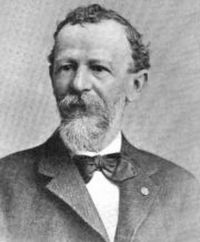
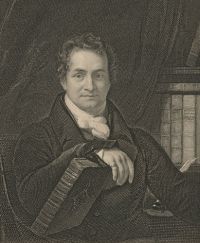
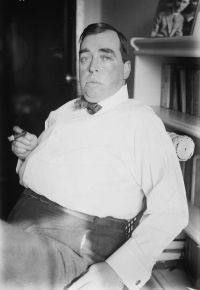
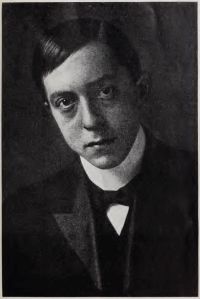
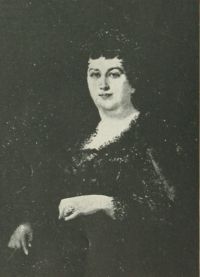
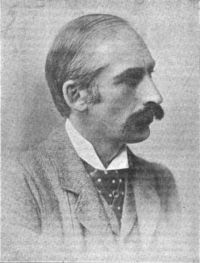
A replica is an exact or highly accurate copy of an object, often created to safeguard cultural heritage, provide public access to delicate originals, or function as a keepsake. Whether found in museum exhibits or artistic reproductions, replicas connect authenticity with accessibility, as observed by scholars such as Charles Fergus Binns, who lamented the loss of individual artistry in copies, and Laurence Hutton, who delved into the mysterious origins of a replica mask.
Arthur Hayden examined the commercial aspects of replicas in antique markets, while others investigated their significance in archaeology, forgery, and contemporary consumer culture. These diverse viewpoints illustrate replicas as both instruments of conservation and sources of ethical discussion, mirroring humanity’s persistent wish to recreate the past while navigating the distinctions between originality and duplication.
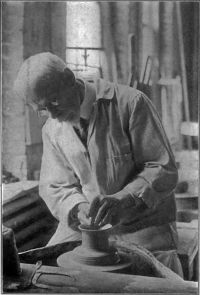 Charles Fergus Binns,
The Potter's Craft: A Practical Guide for the Studio and Workshop
Charles Fergus Binns,
The Potter's Craft: A Practical Guide for the Studio and Workshop