Polyglot

Definition and stakes

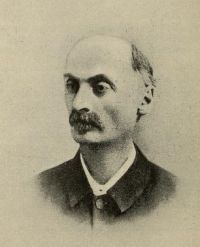
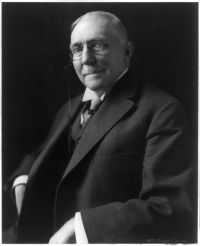
Portrait of Ivy Kellerman Reed Ivy Kellerman Reed,  Popular Science Monthly (1909)

“ Yet to be truly a polyglot one must be familiar with not only French and German, English, Spanish, Italian, Russian, each difficult of mastery, and the Scandinavian languages, but also Dutch, Flemish, Portuguese, Roumanian, Catalonian, Greek and the many languages allied to Russian, such as Bohemian, Polish, Servian, Bulgarian, Lithuanian, etc., and also the non-Aryan tongues of Europe, such as Hungarian and Finnish and the scattered Yiddish. ”
Source: Wikisource

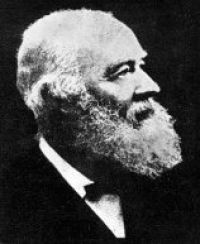
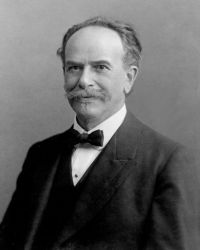
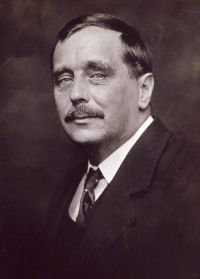
Portrait of H. G. Wells H. G. Wells,  The Salvaging of Civilization

“ But nowadays a full life is not to be lived with a single language. The world becomes polyglot. Even if we do not want to live among foreigners, we want to read their books and newspapers and understand and follow their thought. Few of us there are who would not gladly read and speak several more languages if we had the chance of doing so. I would therefore set down as a desirable part of this ideal education we are planning, two or three other languages in addition to the mother tongue learnt early and thoroughly. ”
Source: Gutenberg

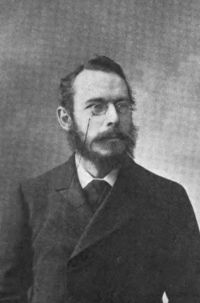
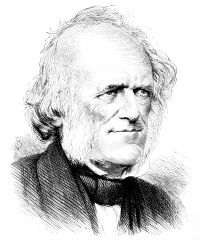
Portrait of Emily Post Emily Post,  Etiquette

“ Those who speak many fluently, by the way, are seldom those who constantly interlard their own tongue with words from another.
Not to understand any foreign languages would be a decided handicap in European society, where conversation is very apt to turn polyglot, beginning in one tongue and going on in a second and ending in a third. So that one who knows only English is often in the position of a deaf person, even though Europeans are invariably polite and never let a conversation run long in a language which all those present do not understand.
”
Source: Gutenberg

Get perspective with Kwize: daily news enlightened by great literature