Right of revolution

Definition and stakes

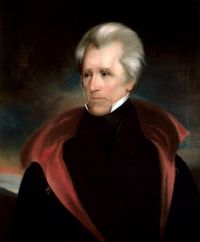
Portrait of Ulysses S. Grant Ulysses S. Grant,  Personal Memoirs of Ulysses S. Grant (1885)

“ Now, the right of revolution is an inherent one. When people are oppressed by their government, it is a natural right they enjoy to relieve themselves of the oppression, if they are strong enough, either by withdrawal from it, or by overthrowing it and substituting a government more acceptable. But any people or part of a people who resort to this remedy, stake their lives, their property, and every claim for protection given by citizenship—on the issue. Victory, or the conditions imposed by the conqueror—must be the result. ”

Source: Gutenberg

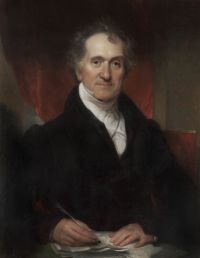
Portrait of Daniel Webster Daniel Webster,  Daniel Webster for Young Americans

“ We all know that civil institutions are established for the public benefit, and that when they cease to answer the ends of their existence they may be changed. But I do not understand the doctrine now contended for to be that which, for the sake of distinction, we may call the right of revolution. I understand the gentleman to maintain that without revolution, without civil commotion, without rebellion, a remedy for supposed abuse and transgression of the powers of the general government lies in a direct appeal to the interference of the State governments. ”
Source: Gutenberg

Get perspective with Kwize: daily news enlightened by great literature