The "right to work" refers to the human right to participate in productive employment without unnecessary hindrance, enshrined in international law, including the 1948 Universal Declaration of Human Rights and the 1966 International Covenant on Economic, Social, and Cultural Rights. This idea has been interpreted in various ways by scholars and legal systems: René Brunet stressed the state’s obligation to provide job opportunities and a means of subsistence, while Frederick O’Brien focused on the challenge of upholding this "natural right" during periods of unemployment.
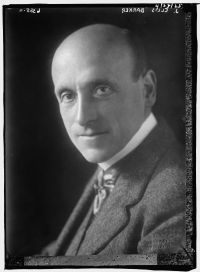
J. Ellis Barker viewed it as a means of liberating labor from capitalist systems, and East Germany’s constitution connected it to equality and social obligation. The United Nations has further broadened its scope, promoting equal employment chances and career development programs. These viewpoints together highlight the balance between individual claims and collective duties in achieving the right to work.