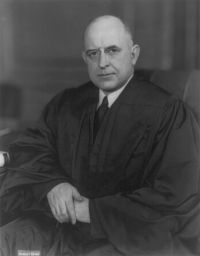
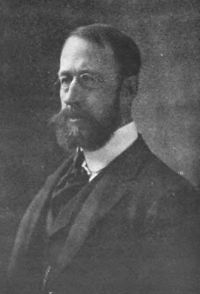
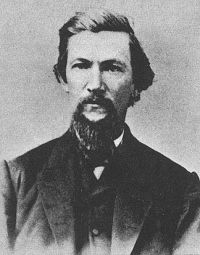
A rolling mill is a factory or machine designed to convert metals such as steel into sheets, bars, or other forms by compressing them between rotating cylinders. With origins in 15th-century metallurgy, it has developed into large-scale industrial facilities capable of shaping both ferrous and non-ferrous metals. Writers like James J.
Davis portrayed the mill as a transformative workplace, while technical works such as Advanced Automation for Space Missions explored its mechanical adaptability, distinguishing reversing mills from traditional ones. Jacob Abbott emphasized its role in transforming iron into rails and machinery, and legal studies, such as United States v. Columbia Steel Company, examined its economic importance. These viewpoints together highlight the rolling mill’s dual nature as both a technological foundation and a human story of labor and innovation.
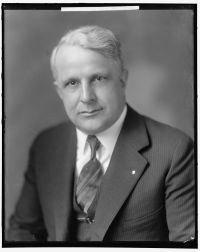 James J. Davis,
The Iron Puddler: My Life in the Rolling Mills and What Came of It
James J. Davis,
The Iron Puddler: My Life in the Rolling Mills and What Came of It