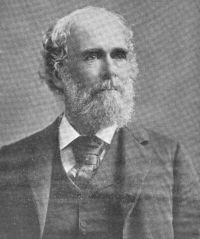
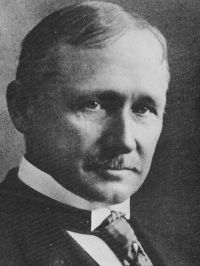
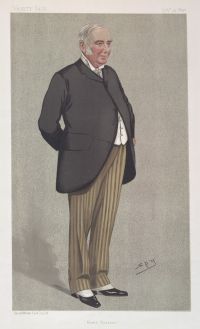
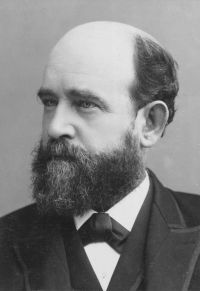
A workroom is a space dedicated to labor, often defined by specialized tasks and organized processes. Authors have examined this concept from various perspectives: John Ruskin envisioned the world as a global workshop, emphasizing collective productivity, while Mary Schenck Woolman underscored its role in education, shaping the way knowledge is acquired. John W.
Stephenson concentrated on methodical procedures, outlining guidelines for handling goods, and Helen Campbell focused on health standards in industrial environments. Charles S. Brooks presented a humanistic viewpoint, contrasting the monotony of labor with instances of personal satisfaction. These viewpoints together reveal the workroom as both a center of efficiency and a mirror of societal attitudes toward work and well-being.
 John Ruskin,
A Joy For Ever — Lecture II
(1857)
John Ruskin,
A Joy For Ever — Lecture II
(1857)