Slave catcher

Definition and stakes

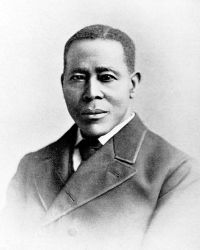
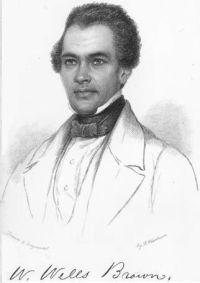
Portrait of William Wells Brown William Wells Brown,  The Black Man (1863)

“ Soon the steamer left the wharf, and the slave-catcher and his officers, who had been watching the boat since her arrival, went away, satisfied that their slave had not escaped by the North America, and returned to guard the house of the abolitionist. After the boat had got out of port, and fairly on her way to Buffalo, I showed the tall lady to her state-room. The next morning, the fugitive, dressed in his plantation suit, bade farewell to his native land, crossed the Niagara River, and took up his abode in Canada. ”
Source: Wikisource

Various,  The Atlantic Monthly, Volume 11…

“ History will repeat herself to emphasize the natural and inalienable rights of slave-catchers. In 1706 the planters organized a permanent force of maroon-hunters, twelve men to each quarter of the island, who received the annual stipend of three hundred livres. In addition to this, the owners paid thirty livres for each slave caught in the canes or roads, forty-five for each captured beyond the mornes, and sixty for those who escaped to more distant places. The hunters might fire at the slave, if he could not be otherwise stopped, and draw the same sums. ”
Source: Gutenberg

Get perspective with Kwize: daily news enlightened by great literature