Songwriting

Definition and stakes

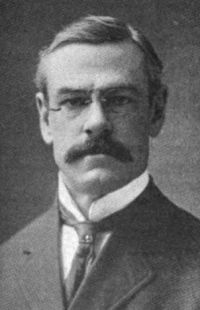
Portrait of Henry Osborn Taylor Henry Osborn Taylor,  The Mediaeval Mind (1911)

“ In the
fusing of melody and words into an utterance of song—at last into a strophe—music worked potently, shaping the composition of the lines, moulding them to rhythm, insisting upon sonorousness in the words, promoting their assonance and at last compelling them to rhyme so as to meet the stress, or mark the ending, of the musical periods. Thus the exigencies of melody helped to evoke the finished verse, while the words reciprocating through their vocal capabilities and through the inspiration of their meaning, aided the evolution of the melodies.
”

Source: Wikisource

Thomas Tapper,  Music Talks with Children

“ And if we are singing to gain a better use of voice we must, in every sound we make, have our thoughts exactly upon what we are doing. This is Concentration. If, on the other hand, we are trying our skill on a song, we shall have, in addition, to be careful to give the right expression, to sing not only the tones clearly, but the words, to feel the true sentiment both of the poem and of the music, and to express from our hearts as much of the meaning of poet and composer as we understand. All these things are more particularly required of us if we are singing in parts. ”
Source: Gutenberg

Victorian Songs: Lyrics of the Affections and Nature

“ Historians exaggerate, perhaps, the function of music in awakening and guiding the exercise of lyrical poetry. The lyric exists, they tell us, as an accompaniment to the lyre; and without the mechanical harmony the spoken song is an artifice. Quite as plausibly might it be avowed that music was but added to verse to concentrate and emphasize its rapture, to add poignancy and volume to its expression. But the truth is that these two arts, though sometimes happily allied, are, and always have been, independent. ”
Source: Gutenberg

Get perspective with Kwize: daily news enlightened by great literature