Tapa (cloth)

Definition and stakes

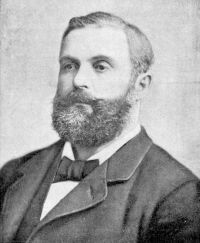
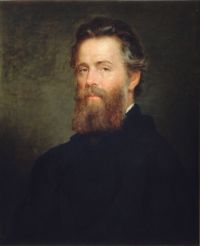
Portrait of Mayne Reid Mayne Reid,  The man-eaters and other odd people (1860)

“ His costume is of the simplest kind, and easily described. With the men it is merely a strip of “tapa” or “malo” cloth passed several times round the waist, and the ends left to hang down in front. The length of the hanging ends determines the rank of the wearer, and only in the case of kings or great chiefs are they allowed to touch the ground. A turban of the finest tapa cloth among the great mop of hair is another badge of rank, worn only by kings and chiefs ”
Source: Gutenberg

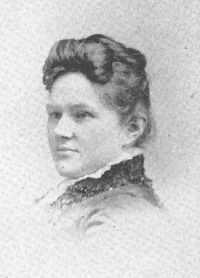
Mary E. Anderson,  Scenes in the Hawaiian Islands and California

“ Taking our bags for pillows, we lay down to rest,—sleep, I can not say, for fleas and cockroaches were too abundant to permit this.
"What is tapa, aunty?" asked Willie.
Tapa is their native cloth made from the bark of trees. They take the inner part of the bark, I believe, and beat it with mallets of very hard wood until it is soft and flexible, wetting the bark from time to time. It looks like a kind of paper, rather than cloth. These cloths the natives dye with various colors, in patterns to suit their own fancy.
”
Source: Gutenberg

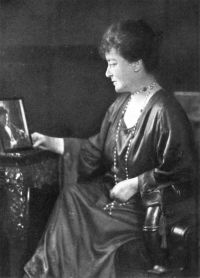
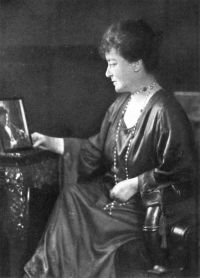
Portrait of Lydia Maria Child Lydia Maria Child,  The history of the condition of women… (1835)

“ The clothing of both sexes is a species of cloth made from the bark of the paper-mulberry tree, called tapa or gnatoo. The common class wear a strip of this cloth fastened about the hips and falling below the knees. The wealthy sometimes have their garments trailing on the ground, because an ample drapery, particularly if it be very fine and delicate, is considered an indication of high rank. The upper part of the person is usually entirely exposed; but on some occasions a mantle of tapa is thrown over the shoulders. ”
Source: Gutenberg

Get perspective with Kwize: daily news enlightened by great literature