Tokonoma

Definition and stakes

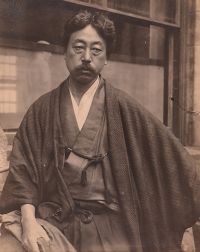
Portrait of Yone Noguchi Yone Noguchi,  Through the Torii (1922)

“ To call my own way suggestive often leads people to misunderstanding; if I have any artistic significance or merit in my attitude, it is my understanding of how to leave the space in the picture, nay, the tokonoma where the vase for the flowers stands, or to speak more poetically, how to cover up the space of that tokonoma with the most graceful nothing; therefore my tokonoma has no stupid vacancy. You might call it a Japanese art if you will; but I believe that the true art has no East or West as it is always bom from nowhere. ”
Source: Wikisource

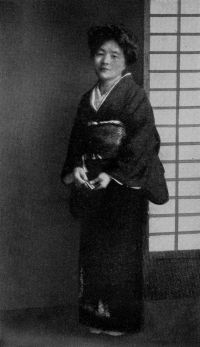
Portrait of Etsu Inagaki Sugimoto Etsu Inagaki Sugimoto,  A Daughter of the Samurai (1925)

“ In the tokonoma of our best room was one of our treasures—a triple roll picture of pine, bamboo, and plum, painted by an ancient artist. On the platform beneath was the beautiful Takasago table where the white-haired old couple with rake and broom were gathering pine needles on the shore. Other emblems of happy married life were everywhere, for each gift—and there were whole rooms full—was decorated with small figures of snowy storks, of gold-brown tortoises, or beautiful sprays of entwined pine, bamboo, and plum. ”
Source: Wikisource

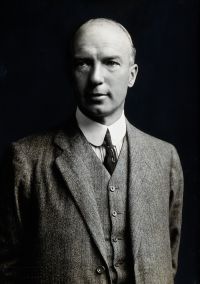
Portrait of Okakura Kakuzō Okakura Kakuzō,  The Book of Tea (1906)

“ The various objects for the decoration of a room should be so selected that no colour or design shall be repeated. If you have a living flower, a painting of flowers is not allowable. If you are using a round kettle, the water pitcher should be angular, A cup with a black glaze should not be associated with a tea-caddy of black lacquer. In placing a vase on an incense burner on the tokonoma, care should be taken not to put it in the exact centre, lest it divide the space into equal halves. ”
Source: Wikisource

Get perspective with Kwize: daily news enlightened by great literature