Trap rock

Definition and stakes

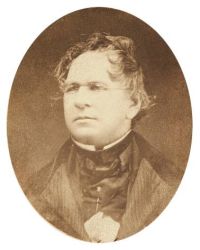
Portrait of Hugh Miller Hugh Miller,  The Cruise of the Betsey

“ No species of rock occurs more abundantly in the embedded pebbles of this ancient conglomerate than rocks of the trap family. We find in it trap-porphyries, greenstones, clinkstones, basalts, and amygdalolds, largely mingled with fragments of the granitic, clay-slate, and quartz rocks. The Plutonic agencies must have been active in the locality for periods amazingly protracted; and many of the masses protruded at a very early time seem identical in their composition with rocks of the trap family, which in other parts of the country we find referred to much later eras. ”
Source: Gutenberg

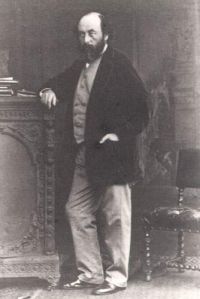
Portrait of Archibald Geikie Archibald Geikie,  The Story of a Boulder; or, Gleanings from the Note-book of a Field Geologist

“ The latter class must always be later than the rocks which they traverse, for it is plain the rocks must have been in existence before trap-dykes and veins could be shot through them. Hence geologists are accustomed to speak of contemporaneous and subsequent trap-rocks: the one list including all the tufas, and those melted rocks which can be shown to have been erupted during the time when the limestones, sandstones, or shales around them - 240 - were forming; the other embracing all the dykes and veins along with those beds of melted rock which have been intruded between the strata. ”
Source: Gutenberg

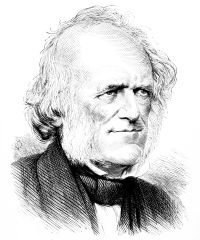
Portrait of James Geikie James Geikie,  Geology

“ Such masses are termed trappean agglomerate and trappean breccia. At other times, however, the ejectamenta give evidence of having been arranged by the action of water, the materials having been sifted and spread out in more or less regular layers. What were formerly rude breccias and agglomerates of angular stones now become trappean conglomerates—the stones having been rounded and water-worn—while the fine ingredients, the grit, and sand, and mud, form the rock called trap tuff. Fragmental rocks are often quite indurated—the matrix being as hard as the included stones. ”
Source: Gutenberg

Get perspective with Kwize: daily news enlightened by great literature