Vitrification

Definition and stakes

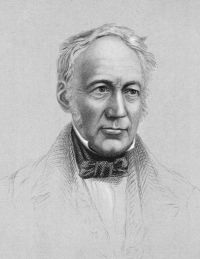
George Field,  Field's Chromatography

“ That colour which was safe when locked up in a mass, crushed to minute atoms is no longer so: imbedded in glass or enamel it will endure for ages, but ground to impalpable powder becomes as liable to influence as though it had never been subjected to heat at all. To sum up, vitreous pigments are durable in a coarse or compact form, but are not more stable than others when reduced to extreme division. As far as regards artists' colours, therefore, vitrification does not impart permanence. ”
Source: Gutenberg

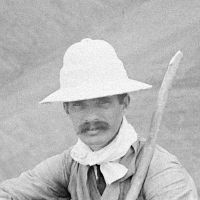
John MacCulloch,  On the Vitrified Forts of Scotland (1814)

“ Very little change appears in the specimens of common slate which I have taken from it. If any limestone has found its way into the wall, it has probably been calcined, and subsequently assisted to bring into fusion the refractory earths. It is to the pudding-stone however, that the main part of the vitrification is to be attributed. Without this it would have been only a mass of burnt rocks, and specimens of it may be taken from the wall in every state, from that of a black glass, to a spongy scoria capable of floating in water. ”
Source: Wikisource

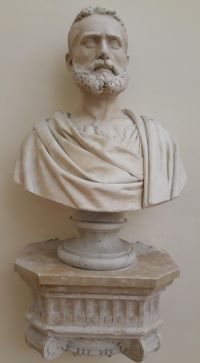
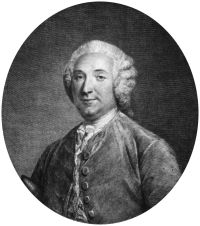
Portrait of Pierre Joseph Macquer Pierre Joseph Macquer,  Elements of the Theory and Practice of Chymistry…

“ All these preparations of Lead are greatly disposed to perfect fusion and vitrification, and for that purpose require but a moderate degree of fire; the calx or earth of Lead being of all metalline earths that which vitrifies the most easily.
Lead hath not only the property of turning into glass with the greatest facility, but it hath also that of promoting greatly the vitrification of all the other imperfect metals
”
Source: Gutenberg

Get perspective with Kwize: daily news enlightened by great literature