War chariot

Definition and stakes

Sun Tzu,  The Art of War (2000)

“ Now in order to kill the enemy, our men must be roused to anger; that there may be advantage from defeating the enemy, they must have their rewards.
17. Therefore in chariot fighting, when ten or more chariots have been taken, those should be rewarded who took the first. Our own flags should be substituted for those of the enemy, and the chariots mingled and used in conjunction with ours. The captured soldiers should be kindly treated and kept.
”
Source: Wikisource

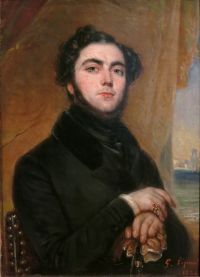
Portrait of Eugène Sue Eugène Sue,  The Brass Bell; or, The Chariot of Death

“ The war chariots, armed with scythes at the hubs, were placed in the center of the army, with the reserve. In one of them were my mother and wife, the wife of Mikael, and our children. Some young lads, lightly armed, surrounded the chariots and were with difficulty holding back the great war-dogs, which, after the example of Deber-Trud, the man-eater, were howling and tugging at their leashes, already scenting battle and blood. Among the young men of the tribe who were in the array, were two who had taken the bond of friendship, like Julyan and Armel. ”
Source: Gutenberg

The Young Lovell: A Romance

“ So that hero mounted into the chariot and covered the charioteer and himself with the great shield and took from the charioteer three casting spears that were very heavy in the beam, and so they went at it for the entertainment of the onlookers. Here and there over that little plain darted the ivory chariot with the white horses. That hero was seeking to get to the hindward of the young knight to cast his spears, for he considered that the war-horse was not limber. But he was limber enough, and always the shield with the chequers of green and scarlet faced the white chariot. ”
Source: Gutenberg

Get perspective with Kwize: daily news enlightened by great literature