śāstra

Definition and stakes

Tibetan Tales, Derived from Indian Sources

“ Let your mind be constant. If you wish to give me too, give me without hesitation. As soon as, O courageous one, you have attained to that, for the sake of which you give up that which is connected with difficulty, save all beings from revolution.” [269]
When the King of the Gods, Śakra, perceived this marvellous endurance on the part of the Bodisat, and the striving of Madrī, and their deeds very hard to be accomplished, he descended from heaven, surrounded by the company of the thirty-three gods, into the hermitage and lighted it up with great brilliance.
”
Source: Gutenberg

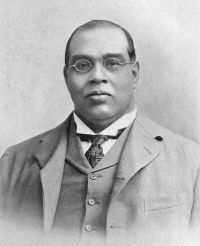
Baba Premananda Bharati,  Sree Krishna, the Lord of Love (1904)

“ They are therefore presented to the people in general in the form of Shāstras and Purānas. These embody the Vedic truths, principles and ideas in easy constructions and simple language, illustrated by examples and stories drawn from facts in life of the past ages. The Shāstras are, therefore, nothing but the Vedas, simplified, explained and illustrated, with the object of enabling the deteriorated intellect of the Iron Age man to grasp the light and the spirit of the Storehouse of Revealed Wisdom. ”
Source: Gutenberg

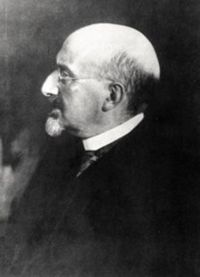
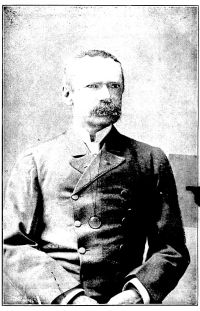
Portrait of Arthur Anthony Macdonell Arthur Anthony Macdonell,  A History of Sanskrit Literature (1900)

“ From the intensely crabbed and unintelligible nature of their style, and the studied baldness with which they present their subjects, it is evident that the Sūtras are inferior even to the Brāhmaṇas as literary productions. Judged, however, with regard to its matter, this strange phase of literature has considerable value. In all other ancient literatures knowledge of sacrificial rites can only be gained by collecting stray references. But in the ritual Sūtras we possess the ancient manuals which the priests used as the foundation of their sacrificial lore. ”
Source: Wikisource

Get perspective with Kwize: daily news enlightened by great literature