“ Still, is it not enough to show that Chinese poetry gets back near to the processes of nature by means of its vivid figure, its wealth of such figure? If we attempt to follow it in English we must use words highly charged, words whose vital suggestion shall interplay as nature interplays. Sentences must be like the mingling of the fringes of feathered banners, or as the colors of many flowers blended into the single sheen of a meadow.The poet can never see too much or feel too much. His metaphors are only ways of getting rid of the dead white plaster of the copula. ”
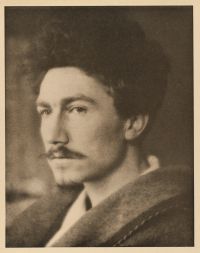
Ezra Pound
Summary
Ezra Pound’s Instigations (1918), a collection of critical essays and literary reflections, examines the core of poetry, metaphor, and the ethical duties of writers. Through incisive analyses of figures such as Henry James and Jean Lahorgue, Pound advocates for vivid imagery and emotional truth, challenging what he perceives as the empty conventions of narrative and poetic traditions.
Drawing on Chinese poetry’s “vital suggestion” and its blending of nature with abstraction, he proposes a literature grounded in sensory clarity and spiritual richness. The work’s lasting significance stems from its compelling plea to abandon literary complacency and embrace art that reflects life’s intricacy.
Quotes from Instigations (Ezra Pound)
“ She's a very nice woman, extraordinarily well-behaved, upright and clever and with a tremendous lot of good sense about a good many matters. Yet her conception of a novel—she has explained it to me once or twice, and she doesn't do it badly as exposition—is a thing so false that it makes me blush. It's a thing so hollow, so dishonest, so lying, in which life is so blinked and blinded, so dodged and disfigured, that it makes my ears burn. ”
“ Chez Laforgue, il y a plus de gai sans-souci, de coups de batte de pierrot donnés à toutes choses, plus de "vaille-que-vaille la vie," dit d'un air de moqueuse résignation. Sa rancœur n'est pas qui encombrante. Il était un peu l'enfant indiscipliné que rit à travers les gronderies, et fait la moue à sa fantaisie; mais son haussement d'épaules gamin, et ses "Après tout?" qu'il jette comme une chiquenaude au visage du Temps, cachent toujours au fond de son cœur un lac mélancolique, un lac de tristesse et d'amours flétris, où vient se refléter sa claire imagination. ”
