“ It is only a whole seaful of water that can rival fire in variety and in loveliness. But even the spectacle of sea at its very best—say in an Atlantic storm—is less thrilling than the spectacle of one building ablaze. And for the rest, the sea has its hours of dulness and monotony, even when it is not wholly calm. Whereas in the grate even a quite little fire never ceases to be amusing and inspiring until you let it out. As much fire as would correspond with a handful of earth or a tumblerful of water is yet a joy to the eyes, and a lively suggestion of grandeur. ”
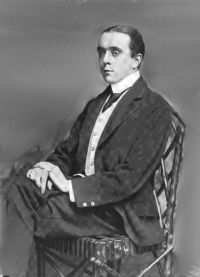
Sir Max Beerbohm
Summary
Sir Max Beerbohm’s Yet Again is an essay collection that combines wit, irony, and philosophical thought, examining themes of humor, symbolism, and the absurdities of human pretension. Through sharp observations of figures such as Whistler, Lady Noble, and Morris, Beerbohm analyzes the relationship between art, society, and language, frequently employing fire, dance, and labels as metaphors for human ambition and folly.
His writing, distinguished by lyrical clarity, critiques the performative aspects of public life while honoring the simple pleasures of private existence, concluding with a reflection on the lasting power of symbols to rise above their ordinary beginnings.
Quotes from Yet Again (Sir Max Beerbohm)
“ Whistler never failed to find right words, and the right cadence for a dignified meaning, when dignity was his aim. 'And when the evening mist clothes the riverside with poetry, as with a veil, and the poor buildings lose themselves in the dim sky, and the tall chimneys become campanili, and the warehouses are palaces in the night, and the whole city hangs in the heavens, and fairyland is before us...' That is as perfect, in its dim and delicate beauty, as any of his painted 'nocturnes.' But his aim was more often to pour ridicule and contempt. ”
“ See that child yonder, perched on the balustrade, reading aloud from a scroll the praise of love as earnestly as though his congregation were of infidels. And that other, to the side, pushing two lovers along as though they were the veriest laggarts. The torch-bearer, too, and the archer, and the sprinkler of the rose-leaves—they are all, after their kind, trying to persuade themselves that they are needed. All but he who leans over and nestles his fat cheek on a lady's lap, as fondly and confidingly as though she were his mother... And truly, the lady is very like his mother. ”
