Ancient Greek language

Definition and stakes

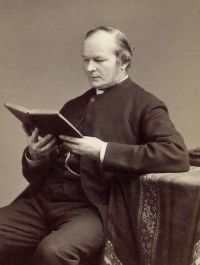
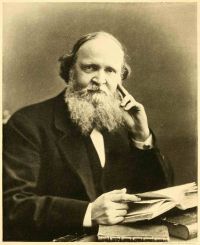
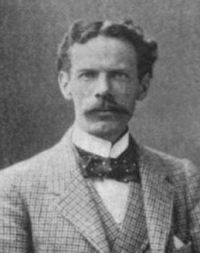
Portrait of F. Max Müller F. Max Müller,  Lectures on the Science of Language

“ No ancient Greek ever thought of learning a foreign language. Why should he? He divided the whole world into Greeks and Barbarians, and he would have felt himself degraded by adopting either the dress or the manners or the language of his barbarian neighbors. He considered it a privilege to speak Greek, and even dialects closely related to his own, were treated by him as mere jargons. It takes time before people conceive the idea that it is possible to express oneself in any but one's own language. ”
Source: Gutenberg

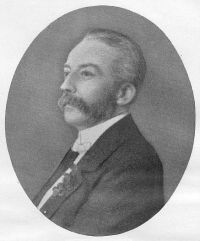
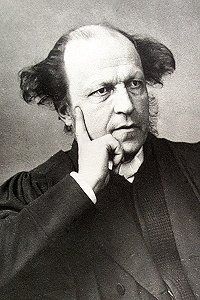
Portrait of Charles Dudley Warner Charles Dudley Warner,  In the Levant

“ All we know is, that the Greek language has survived the Byzantine anarchy, the Slavonic conquest, the Frank occupation; and that the nimble wit, the acquisitiveness and inquisitiveness, the cunning and craft of the modern Greek, seem to be the perversion of the nobler and yet not altogether dissimilar qualities which made the ancient Greeks the leaders of the human race. ”
Source: Gutenberg

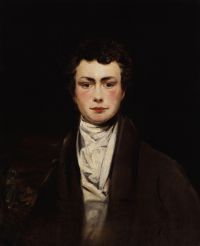
Portrait of Thomas Moore Thomas Moore,  Life of Lord Byron, Vol. 6

“ In furtherance of our principal object in this critique, we have only to add a wish that some of our Grecian tourists, among the fresh articles of information concerning Greece which they have lately imported, would turn their minds to the language of the country. So strikingly similar to the ancient Greek is the modern Romaic as a written language, and so dissimilar in sound, that even a few general rules concerning pronunciation would be of most extensive use. ”
Source: Gutenberg

Get perspective with Kwize: daily news enlightened by great literature