Animalia

Definition and stakes

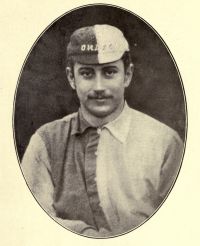
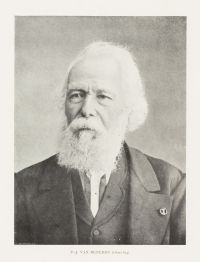
Portrait of P. J. van Beneden P. J. van Beneden,  Animal Parasites and Messmates

“ In that great drama which we call Nature, each animal plays its especial part, and He who has adjusted and regulated everything in its due order and proportion, watches with as much care over the preservation of the most repulsive insect, as over the young brood of the most brilliant bird. Each, as it comes into the world, thoroughly knows its part, and plays it the better because it is more free to obey the dictates of its instinct. ”
Source: Gutenberg

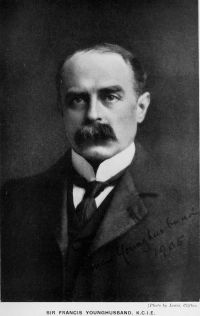
Mrs. Beeton,  The Book of Household Management

“ The Animal Kingdom consists of sentient beings, that enliven the external parts of the earth. They possess the powers of voluntary motion, respire air, and are forced into action by the cravings of hunger or the parching of thirst, by the instincts of animal passion, or by pain. Like the vegetable kingdom, they are limited within the boundaries of certain countries by the conditions of climate and soil; and some of the species prey upon each other. Linnaeus has divided them into six classes;—Mammalia, Birds, Fishes, Amphibious Animals, Insects, and Worms. ”
Source: Gutenberg

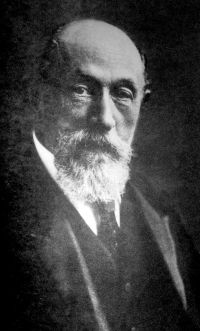
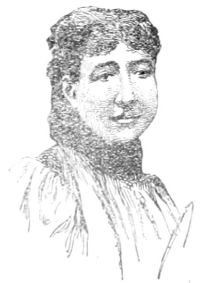
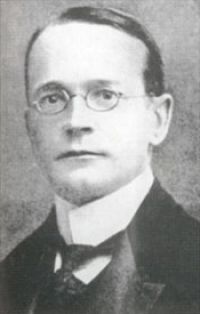
Portrait of Joseph McCabe Joseph McCabe,  The Story of Evolution — Chapter XVII. The Origin of Our Mammals

“ As some of these forms advance, we begin to descry in them the features, remote and shadowy at first, of the horse, the deer, the elephant, the whale, the tiger, and our other familiar mammals. In some instances we can trace the evolution with a wonderful fullness, considering the remoteness of the period and the conditions of preservation. Then, one by one, the abortive, the inelastic, the ill-fitted types are destroyed by changing conditions or powerful carnivores, and the field is left to the mammals which filled it when man in turn began his destructive career. ”
Source: Wikisource

Get perspective with Kwize: daily news enlightened by great literature