Bernardus de Sahagún

Definition and stakes

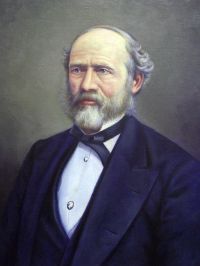
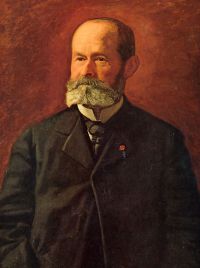
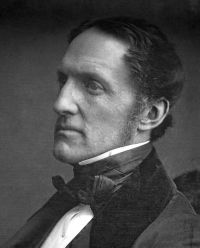
Portrait of William Hickling Prescott William Hickling Prescott,  The Conquest of Mexico (1922)

“ Sahagun produced several other works, of a religious or philological character. Some of these were voluminous, but none have been printed. He lived to a very advanced age, closing a life of activity and usefulness, in 1590, in the capital of Mexico. His remains were followed to the tomb by a numerous concourse of his own countrymen, and of the natives, who lamented in him the loss of unaffected piety, benevolence, and learning. ”
Source: Wikisource

Albert Réville,  The Native Religions of Mexico and Peru (1884)

“ Years after the conquest, Father Sahagun had still to answer the question of the natives, who asked him what he knew of the country of Quetzalcoatl. [8]
What, then, was the fundamental significance of this feathered Serpent that so pre-occupied the religious consciousness of the Aztecs?
He was not the Sun. The Sun does not disappear in the East. He was a god of the wind, as Father Sahagun perfectly well understood, but of that wind in particular that brings over the parched land of Mexico the tepid and fertilizing exhalations of the Atlantic.
”
Source: Wikisource

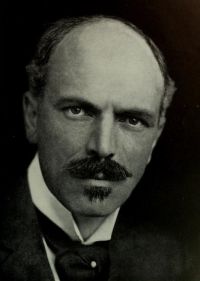
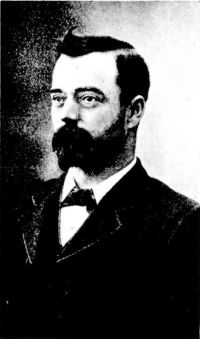
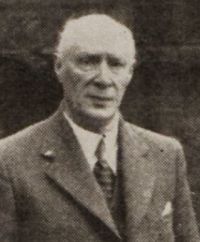
Portrait of Lewis Spence Lewis Spence,  The gods of Mexico (1923)

“ Thus from the shape beheld in the seer’s mirror, Tezcatlipocâ came to be regarded as the seer. That into which the wizard gazed became so closely identified with sorcery as to be thought of as wizard-like itself; for Tezcatlipocâ is, of all Mexican deities, the one most nearly connected with the wizard’s art. He is par excellence the nocturnal god who haunts the crossways and appears in a myriad phantom guises to the night-bound wayfarer. “These,” says Sahagun, “were masks that Tezcatlipocâ assumed to frighten the people.” ”
Source: Gutenberg

Get perspective with Kwize: daily news enlightened by great literature