Buddhist monk

Definition and stakes

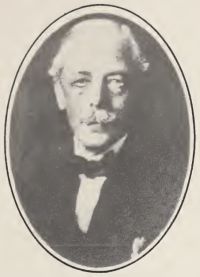
Henry M. Field,  From Egypt to Japan

“ The Buddhist monk, like his Romish brother, shaves his head, eats no animal food (the command of Buddha not to kill, is interpreted not to take life of any kind) , and lives only by the alms of the faithful. Seeing them here, with their shaven heads and long robes, going about the streets, stopping before the doors to receive their daily tributes of rice, one is constantly reminded of the mendicant friars of Italy. ”
Source: Gutenberg

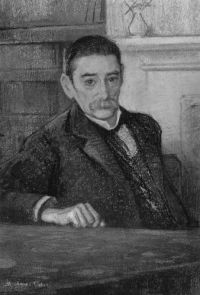
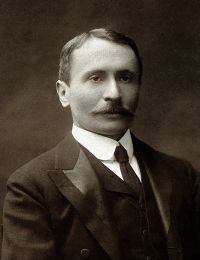
Portrait of Daisetz Teitaro Suzuki Daisetz Teitaro Suzuki,  Essays in Zen Buddhism (1927)

“ Cannot we ever hope to stop the amassing of wealth and the wielding of power merely from the desire for individual or national aggrandisement? Despairing of the utter irrationality of human affairs, the Buddhist monks have gone to the other extreme and cut themselves off even from reasonable and perfectly innocent enjoyments of life. However, the Zen ideal of putting up the monk’s belongings in a tiny box a little larger than a foot square and three inches high, is their mute protest, though so far ineffective, against the present order of society. ”
Source: Gutenberg

Śūdraka,  Little Clay Cart (1905)

“ Chārudatta. Who are you, unselfish friend?
Monk. You do not remember me, sir. I am that shampooer, who once was happy to rub your feet. When I fell into the hands of certain gamblers, this sister in Buddha, upon hearing that I had been your servant, bought my freedom with her jewels. Thereupon I grew tired of the gambler's life, and became a Buddhist monk. Now this lady made a mistake in her bullock-cart, and so came to the old garden Pushpakaranda. But when that unworthy wretch learned that she would not love him, he murdered her by strangling.
”
Source: Wikisource

Get perspective with Kwize: daily news enlightened by great literature