Carboniferous period

Definition and stakes

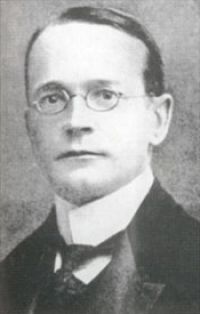
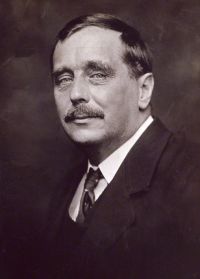
Portrait of Herbert George Wells Herbert George Wells,  A Short History of the World (1922)

“ The abundant life of the Carboniferous period was succeeded by a vast cycle of dry and bitter ages. They are represented in the Record of the Rocks by thick deposits of sandstones and the like, in which fossils are comparatively few. The temperature of the world fluctuated widely, and there were long periods of glacial cold. Over great areas the former profusion of swamp vegetation ceased, and, overlaid by these newer deposits, it began that process of compression and mineralization that gave the world most of the coal deposits of to-day. ”
Source: Wikisource

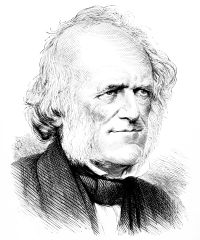
Portrait of Archibald Geikie Archibald Geikie,  The Story of a Boulder; or, Gleanings from the Note-book of a Field Geologist

“ But besides these sedimentary strata, the formation of which must have been wholly analogous to that of similar deposits at the present day, we have to deal with the problems suggested by the coal-seams. We know nothing of the climate of the Carboniferous period save what may be conjectured from the analogy of existing climates; and in a question regarding the accumulation of decaying vegetable matter climate is a subject of the first importance. We are ignorant, too, of the rate of growth peculiar to the carboniferous flora ”
Source: Gutenberg

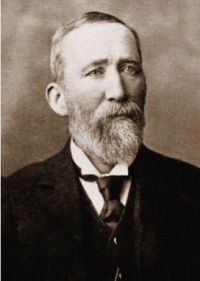
Harold W. Fairbanks,  The Western United States: A Geographical Reader

“ The Carboniferous period has been so named because at that time the climate and features of the earth in many places favored the growth of dense and heavy vegetation. This vegetation accumulated through the long years, so that it formed thick deposits which gradually changed to beds of coal. It would be wrong, however, to think that all the beds of coal were formed at about the same time. Ever since there have been forests and marshes upon the earth there have been opportunities for the forming of coal-beds. Materials are accumulating even now which will in time be transformed to beds of coal. ”
Source: Gutenberg

Get perspective with Kwize: daily news enlightened by great literature