Cecropia

Definition and stakes

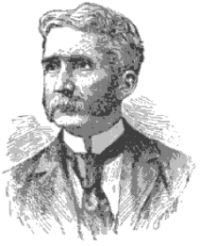
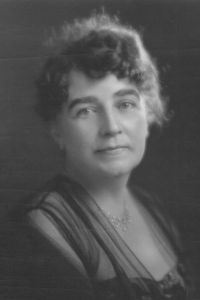
Portrait of Gene Stratton-Porter Gene Stratton-Porter,  Moths of the Limberlost: A Book About Limberlost Cabin

“ CHAPTER III The Robin Moth: Cecropia When only a little child, wandering alone among the fruits and flowers of our country garden, on a dead peach limb beside the fence I found it—my first Cecropia. I was the friend of every bird, flower, and butterfly. I carried crumbs to the warblers in the sweetbrier; was lifted for surreptitious peeps at the hummingbird nesting in the honeysuckle; sat within a few feet of the robin in the catalpa; bugged the currant bushes for the phoebe that had built for years under the roof of the corn bin ”
Source: Gutenberg

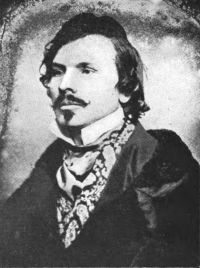
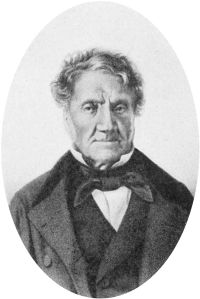
Portrait of Aimé Bonpland Aimé Bonpland,  Personal Narrative of Travels to the Equinoctial Regions of America…

“ Gothard; but what a contrast in the vigour and richness of the vegetation! The white trunks of the cecropia rise majestically amid bignonias and melastomas. They do not disappear till we are within a hundred toises above the level of the ocean. A small thorny palm-tree extends also to this limit; the slender pinnate leaves of which look as if they had been curled toward the edges. This tree is very common in these mountains; but not having seen either its fruit or its flowers, we are ignorant whether it be the piritu palm-tree of the Caribbees, or the Cocos aculeata of Jacquin. ”
Source: Gutenberg

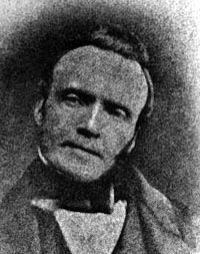
Portrait of Gene Stratton-Porter Gene Stratton-Porter,  Moths of the Limberlost: A Book About Limberlost Cabin

“ The Cecropia moth resembles the robin among birds; not alone because he is grey with red markings, but also he haunts the same localities. The robin is the bird of the eaves, the back door, the yard and orchard. Cecropia is the moth. My doorstep is not the only one they grace; my friends have found them in like places. Cecropia cocoons are attached to fences, chicken-coops, barns, houses, and all through the orchards of old country places, so that their emergence at bloom time adds to May and June one more beauty, and frequently I speak of them as the Robin Moth. ”
Source: Gutenberg

Get perspective with Kwize: daily news enlightened by great literature