Chaldean language

Definition and stakes

Charles Chipiez,  A history of art in Chaldæa & Assyria…

“ It is certain, on the one hand, that the influence of these quasi-clergy began to make itself felt at a remote period in the national history, and, on the other, that they had become, like the population that bowed before them, Semitic both in race and language at a very early date. The idiom employed by the Chaldæans belongs to the same family of languages as Arabic, Hebrew, and Aramæan; their gods are to be found, with slight modifications of name and attributes, from Yemen in the south to the north of Syria and as far west as the table-land of Cappadocia. ”

Source: Gutenberg

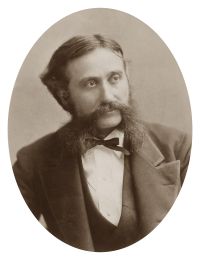
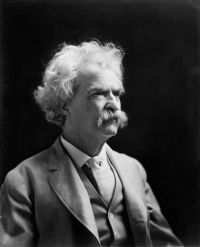
Portrait of Bernard Quaritch Bernard Quaritch,  Palæography

“ Examples of both hieroglyphic and demotic writing are given in the plates accompanying this sketch.
The Akkadian Chaldee language (to be distinguished from the later Semitic Syro-Chaldee) has, like the Egyptian Khemi, no immediate affinities with any other important form of speech. They are both of an older type and stock than the oldest known members of the Aryan and Semitic families.
”
Source: Gutenberg

James Ward,  Historic Ornament, Vol. 1 (of 2…

“ CHALDEAN AND ASSYRIAN ART. The Chaldeans or Babylonians and the Assyrians came from one great stock, the Assyrians being mostly colonists from Babylonia. The original inhabitants of Chaldea spoke a Semitic dialect. At an early date Eastern Chaldea was invaded by the Sumerians or Accadians, a Turanian race which is supposed to have come from the plateau of Central Asia. ”
Source: Gutenberg

Get perspective with Kwize: daily news enlightened by great literature