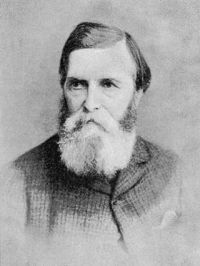
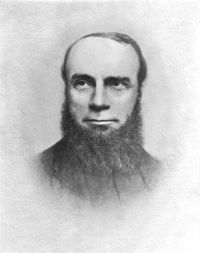
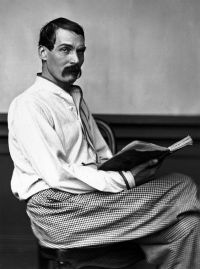
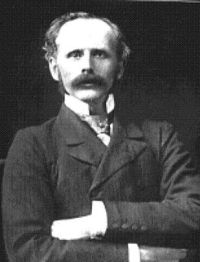
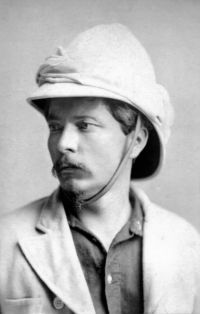
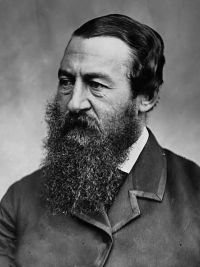
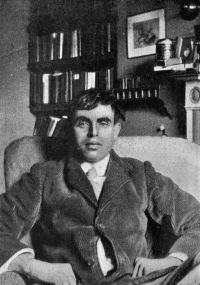
Dar es Salaam, Tanzania’s largest city and former capital, serves as a vibrant economic and cultural center along East Africa’s Swahili coast. Historically significant as the administrative heart of German East Africa and later Tanganyika, it became a symbol of colonial aspirations and post-independence progress. Authors such as Richard Harding Davis commended its “model” colonial architecture and strategic role in trade, while Karl Weule emphasized its unique combination of natural beauty and urban design.
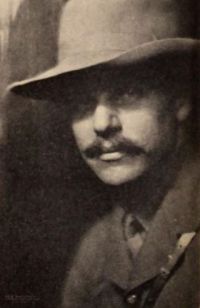
Frank Richardson Cana highlighted its importance as a logistical hub during the 1914 railway celebrations, and E. Alexander Powell stressed its geopolitical value as Germany’s East African capital. These diverse viewpoints together reveal Dar es Salaam’s lasting legacy as a crossroads of commerce, culture, and colonial history, its development reflecting Tanzania’s broader socio-political journey.
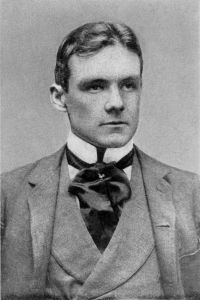 Richard Harding Davis,
The Congo and Coasts of Africa
Richard Harding Davis,
The Congo and Coasts of Africa