Dutch painting

Definition and stakes

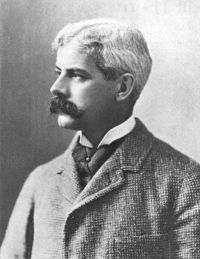
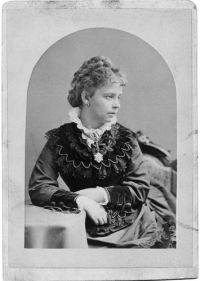
Portrait of E. V. Lucas E. V. Lucas,  A Wanderer in Holland

“ The truth simply is that one goes to Dutch art for the celebration of fact without mystery or magic. In other words, Dutch painting is painting without poetry; and it is this absence of poetry which makes the romantic Frenchmen appear to be such exotics when one finds them in Holland, and why it is so pleasant in Holland now and then to taste their quality, as one may at the Stedelijk Museum and in the Mesdag Collection at The Hague. ”
Source: Gutenberg

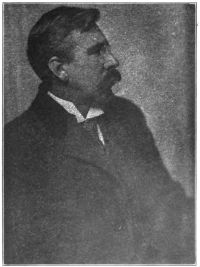
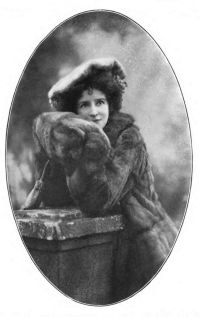
Portrait of A. M. Williamson A. M. Williamson,  The Chauffeur and the Chaperon

“ I said to myself as I went away from the galleries, that Dutch painting would stand for me henceforth as an epitome of the Dutch people. No one but the Dutch could have painted pictures like theirs—so quaint, so painstaking, and at the same time so splendid. Their love of rich brown shadow and amber light was learned in the dim little rooms of their own homes, and of inns where the brass and pewter gleamed in the mellow dusk of raftered kitchens, and piles of fruit and vegetables fell like jewels, from paniers such as Gerard Douw took three days to paint on a scale of three inches. ”
Source: Gutenberg

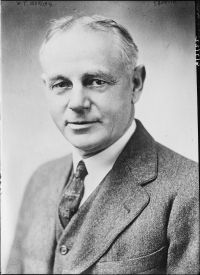
Charles H. Caffin,  The Story of Dutch Painting

“ But I press the distinction because, unless it is recognized, Dutch landscape-painting cannot be properly appreciated. If people approach it, and it is my experience that many do, with modern plein-air achievements in their eye and basing their judgment upon them, they can only suffer disappointment. The Dutch paintings will seem “old-fashioned,” false to nature, and uninspired. On the other hand, once the necessary attitude is assumed of accepting this transposition of color and light phenomena of nature into an equivalent of tonal values, proper appreciation is possible. ”
Source: Gutenberg

Get perspective with Kwize: daily news enlightened by great literature