Equidae

Definition and stakes

Cassell's Natural History, Vol…

“ The Equidæ, or Horse-tribe, comprise several living and many extinct species. Three living members are restricted, in a state of nature, to Asia and Africa, and are divided into the true Horses, which have horny patches or callosities on the inner sides of both pairs of limbs—above the wrist in the fore, and on the inner side of the metatarsus on the hind limbs—and the Asses, which possess such callosities only on the fore-limb. ”
Source: Gutenberg

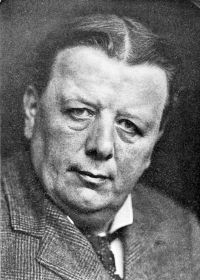
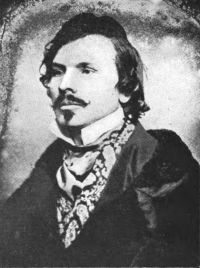
Portrait of Mayne Reid Mayne Reid,  The Bush Boys: History and Adventures of a Cape Farmer and his Family

“ To the zebra they bore the greatest resemblance—for they were in reality a species of zebra—they were quaggas.
Modern naturalists have divided the Equidae, or horse family, into two genera—the horse (equus) and the ass (asinus) —the principal points of distinction being, that animals of the horse kind have long flowing manes, full tails, and warty callosities on both hind and fore limbs; while asses, on the contrary, have short, meagre, and upright manes, tails slender and furnished only with long hairs at the extremity, and their hind limbs wanting the callosities.
”
Source: Gutenberg

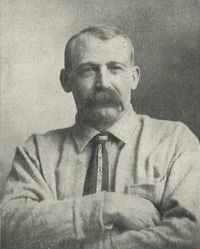
Portrait of Alfred Russel Wallace Alfred Russel Wallace,  Darwinism (1889)

“ Yet more remarkable is the evidence afforded by the ancestral forms of the horse tribe which have been discovered in the American tertiaries. The family Equidae, comprising the living horse, asses, and zebras, differ widely from all other mammals in the peculiar structure of the feet, all of which terminate in a single large toe forming the hoof. ”
Source: Wikisource

Get perspective with Kwize: daily news enlightened by great literature