Quagga

Definition and stakes

Graham Renshaw,  The Zoologist (1901)

“ The curious former association of the Quagga with Ostriches and White-tailed Gnus (exactly paralleled by the mixed herds of Burchell Zebra and Brindled Gnu) was long ago observed and commented upon by Harris. We also know that the Quagga, though fleet, could be overtaken by a well-mounted rider; that wounded animals at bay would kick savagely and bite severely; that the flesh was oily and disgusting to Europeans, though relished by the natives; and that the northern limit of the range of this species was the Vaal River. ”
Source: Wikisource

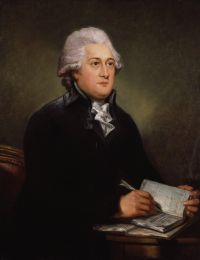
Portrait of Frederick Marryat Frederick Marryat,  The Mission, or Scenes in Africa (1845)

“ The quagga and striped quagga, as you may see, have the ears of a horse, while the zebra has those of the ass. The true zebra hardly ever descends upon the plains, but lives altogether upon the mountainous regions; occasionally it may be found, it is true, and that is the reason why I came to see.”
“Are they good eating, these animals?”
“The quagga is very indifferent food, but the striped quagga is very passable; so if you intend to save any for our dinner, pray let it be some of the latter. Have you done hunting to-day?”
”
Source: Wikisource

Phebe Westcott Humphreys,  A Natural History for Young People…

“ Enduring and swift, they are not easily approached, but as both their hides and flesh are much sought after, they are often caught in traps arranged for the purpose, or are shot by hundreds lying in ambush near the salt meadows which they love to frequent. They were said to be as easily broken in as the Horses reared in our meadows and permitted to run at large till they are four or five years old.
THE QUAGGA. The Quagga is smaller than the Zebra, and resembles the Horse in general shape. His head is small, and his ears are short.
”
Source: Gutenberg

Get perspective with Kwize: daily news enlightened by great literature