European literature

Definition and stakes

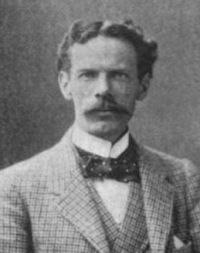
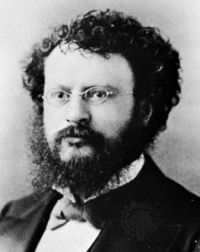
Hutcheson Macaulay Posnett,  Comparative Literature (1886)

“ The Latin, followed at an interval by the Greek, Renaissance laid the foundations of comparative reflection in the mind of modern Europe. Meanwhile the rise of European nationalities was creating new standpoints, new materials, for comparison in modern institutions and modes of thought or sentiment. The discovery of the New World brought this new European civilisation face to face with primitive life, and awakened men to contrasts with their own associations more striking than Byzantine or even Saracen could offer. ”
Source: Wikisource

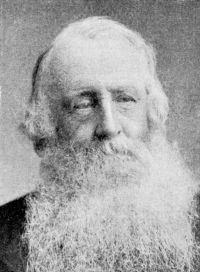
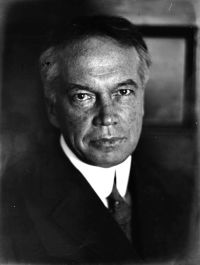
Chapman Cohen,  Determinism or Free-Will?

“ The environment of a modern European will add to the physical surroundings an enormously enlarged mass of social traditions and customs, an extensive literature, contact with numerous other societies in various stages of culture, and relations, more or less obscure, to a vast literary and social past. The environment thus includes not merely the living, but also the dead. Roman law, Greek philosophy, Eastern religious ideas, etc., all affect the twentieth century European. ”
Source: Gutenberg

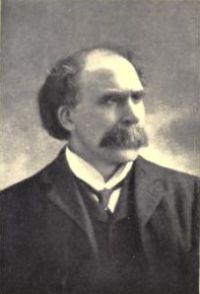
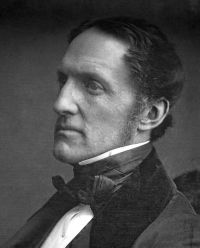
Henry Hallam,  Introduction to the Literature of Europe in the Fifteenth…

“ We have thus traced in outline the form of European literature, as it existed in the middle ages and in the first forty years of the fifteenth century. The result must be to convince us of our great obligations to Italy for her renewal of classical learning. What might have been the intellectual progress of Europe if she had never gone back to the fountains of Greek and Roman genius, it is impossible to determine; certainly, nothing in the fourteenth and fifteenth centuries give prospect of a very abundant harvest. ”
Source: Gutenberg

Get perspective with Kwize: daily news enlightened by great literature