Factory Acts

Definition and stakes

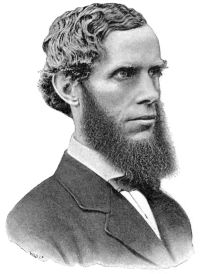
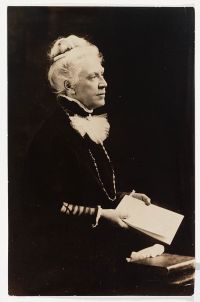
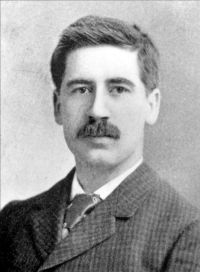
Portrait of Harriet Martineau Harriet Martineau,  The Factory Controversy; a warning against meddling legislation (1855)

“ Whether it is true or not, that there are fewer accidents from the shafting of mills than from any other industrial apparatus of any magnitude, it is our business to see how accidents can he best guarded against,—in other words, what is the true relation between the millowner and the government on the one hand, and his workpeople on the other. Whether the deaths be 12 or 12,000 in a year, the question is—what ought to be done? There is the Common Law, which operates for the protection of all; and there are the Factory Acts, which are intended for the special protection of factory operatives. ”
Source: Wikisource

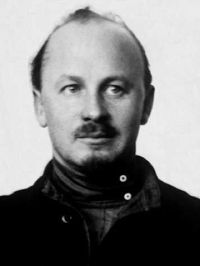
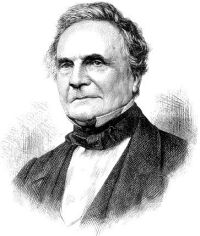
Portrait of Karl Marx Karl Marx,  Das Kapital (1906)

“ The necessity for a generalization of the Factory Acts, for transforming them from an exceptional law relating to mechanical spinning and weaving—those first creations of machinery—into a law affecting social production as a whole, arose, as we have seen, from the mode in which Modern Industry was historically developed. In the rear of that industry, the traditional form of manufacture, of handicraft, and of domestic industry, is entirely revolutionised; manufactures are constantly passing into the factory system, and handicrafts into manufactures ”
Source: Wikisource

Portrait of Karl Marx Karl Marx,  Das Kapital (1906)

“ Hardly had the Act been passed when our friends the manufacturers found out: “The inconveniences we expected to arise from the introduction of the Factory Acts into our branch of manufacture, I am happy to say, have not arisen. We do not find the production at all interfered with; in short, we produce more in the same time.” ”
Source: Wikisource

Get perspective with Kwize: daily news enlightened by great literature