Farmers' Institute

Definition and stakes

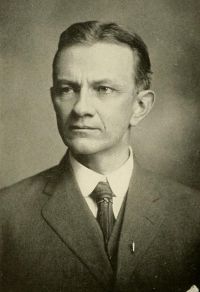
Portrait of Kenyon L. Butterfield Kenyon L. Butterfield,  Chapters in Rural Progress

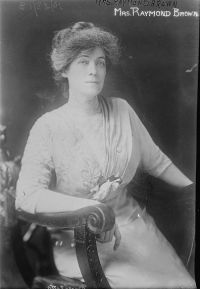
“ In most institutes women are recognized through programme topics of special interest to them.
It is not important to trace the early history of the farmers' institute movement, and indeed it is not very easy to say precisely when and where the modern institute originated. Farmers' meetings of various sorts were held early in the century. As far back as 1853 the secretary of the Massachusetts Board of Agriculture recommended that farmers' institutes be made an established means of agricultural education.
”
Source: Gutenberg

Dwight Sanderson,  The Farmer and His Community

“ Farmers' institutes have performed an important service in the education of the rural community. Not only have they given instruction in methods of agriculture and in the problems of country life, but they have been an important means of bringing rural people together in a common cause; they are a community activity and strengthen the community bond. In many cases in isolated localities the annual farmers' institute has been one of the few occasions at which the people of the community get together, and has been looked forward to as a social event. ”
Source: Gutenberg

Portrait of Kenyon L. Butterfield Kenyon L. Butterfield,  Chapters in Rural Progress

“ Agricultural college professors, and agricultural experimenters have talked of the relations of science to practical farming. The farmers have come to depend upon the institute as a means for gaining up-to-date information.
And if institutes have informed, they have also done what is still better—they have inspired. They have gone into many a dormant farm community and awakened the whole neighborhood to a quicker life. They have started discussions, set men thinking, brought in a breath of fresh air. They have given to many a farmer an opportunity for self-development as a ready speaker.
”
Source: Gutenberg

Get perspective with Kwize: daily news enlightened by great literature