Golaud

Definition and stakes

Lawrence Gilman,  Debussy's Pelléas et Mélisande

“ There is ravishing tenderness and beauty here, and an intensity of expression as penetrating as it is restrained. As Mélisande's doves come from the tower and fly about the heads of the lovers, we hear, tremolo in the strings, a variation of her motive. Golaud enters by the winding stair, and the threatening phrase quoted as Ex. XI is heard sombrely in the horns, bassoons, violas, and 'cellos—its derivation from Golaud's own theme (see Ex. VI) is here apparent. The latter motive sounds, p, as he warns Mélisande that she will fall from the window if she leans so far out. ”
Source: Gutenberg

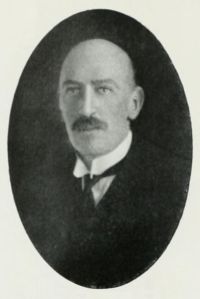
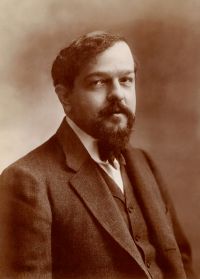
Portrait of Claude Debussy Claude Debussy,  Pelléas and Melisande (1907)

“ Golaud.
At once?... Oh, oh! I must tell her...—Melisande! Melisande!... Leave me alone, leave me alone with her!...
Arkel.
No, no; do not approach... Do not trouble her. Do not speak to her any more... You do not know what the soul is...
Golaud.
It is not my fault, it is not my fault!
Arkel.
Attention...attention... We must speak low.—Do not annoy her any more... The human soul is very silent... The human soul likes to go away alone... It suffers so timidly... But the sadness, Golaud... but the sadness of all one sees!...
”
Source: Wikisource

Jethro Bithell,  Life and Writings of Maurice Maeterlinck

“ Golaud, for instance, is taciturn and slow to believe, and therefore the few words he speaks in the scene mentioned are well motived; but put a man in his place whose passions are nearer the surface—a character of equal use to the dramatist, though of course less profound—and a torrent of words would have been more natural and equally effective. ”
Source: Gutenberg

Get perspective with Kwize: daily news enlightened by great literature