Hebrew language

Definition and stakes

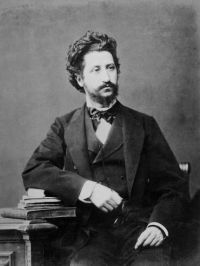
Portrait of Nahum Slouschz Nahum Slouschz,  The Renascence of Hebrew Literature…

“ Hebrew literature, faithful to its Biblical mission, has within it the power of replenishing the moral resources of the masses and making their hearts thrill with enthusiasm for justice and the ideal. It is the focus of the rays vivifying all that breathes, that struggles, that creates, that hopes within the Jewish soul.
To misunderstand this moral bearing of the renascence of the Hebrew language is to fail to know the very life of the better part of Judaism and the Jew.
”
Source: Gutenberg

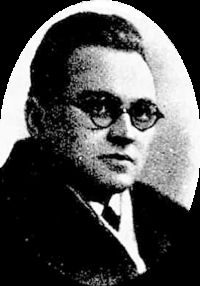
Nahum Sokolow,  History of Zionism, 1600-1918, Vol… (1919)

“ The Hebrew language, mysteriously preserved like Israel, the people after whom it is called, through the tempests of many centuries, politically annihilated, but spiritually full of vigour, has never ceased to be a vehicle for the expression of sublime thoughts and sentiments. Not only in the brilliant epoch of Hebrew literature in Spain, from the tenth to the fifteenth centuries, but since then, Hebrew has been written in prose and in poetry with power and effect unattainable in any of the languages that have ceased to live. It is entirely wrong to consider Hebrew a dead language. ”
Source: Gutenberg

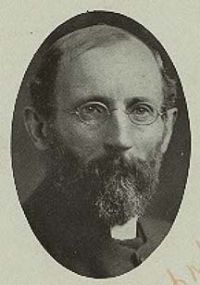
Portrait of Nahum Slouschz Nahum Slouschz,  The Renascence of Hebrew Literature…

“ In spite of obstacles of every kind, and in spite of the dangerous rivalry of the European languages, the rivalry of the Jewish- German itself, the Hebrew language has given proof of persistent vitality, and displayed surprising power of adaptation to all sorts of circumstances and all departments of literature, and widely separated countries have been the scene of its development. So far as the earliest humanists had planned, the Hebrew language was to serve only as an instrument of propaganda and emancipation. ”
Source: Gutenberg

Get perspective with Kwize: daily news enlightened by great literature