Indian law

Definition and stakes

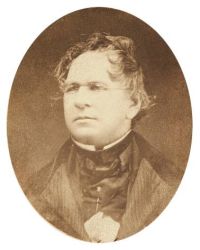
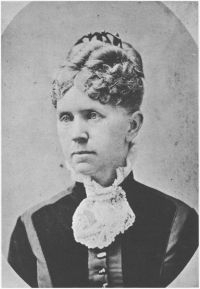
Portrait of Frances Fuller Victor Frances Fuller Victor,  Eleven Years in the Rocky Mountains & A History of the Sioux War (1881)

“ The great obstacle to its complete success is that no change has been made in the laws for the care of Indians. The Indian is left without the protection of law in person, or property, or life. He has no personal rights. He has no redress for wrongs inflicted by lawless violence. He may see his crops destroyed, his wife or child killed. His only redress is personal revenge. * * * In the Indian's wild state he has a rude government of chiefs and headmen, which is advisory in its character. ”
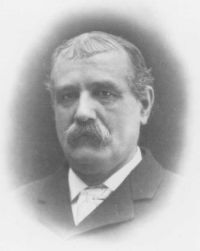
Source: Wikisource

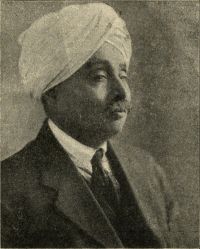
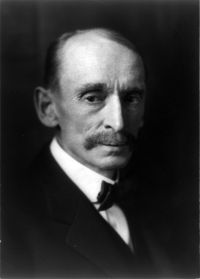
Portrait of Francis Amasa Walker Francis Amasa Walker,  The Indian Question

“ There is at this time no semblance of authority for the punishment of any crime which one Indian may commit against another, nor any mode of procedure, recognized by treaty or statute, for the regulation of matters between the government and the several tribes. So far as the law is concerned, complete anarchy exists in Indian affairs ”
Source: Gutenberg

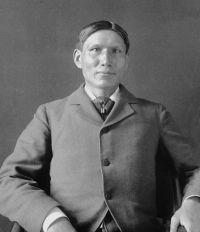
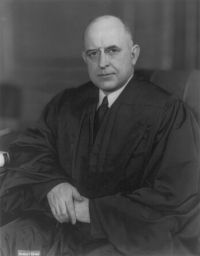
Joseph McKenna,  Fink v. Board of Com'rs of Muskogee County…

“ We are not dealing with rights in the abstract; we are dealing with rights under special conditions and as determined by acts of the parties under a law of Congress which was availed of by the Indian and a grantee of the Indian, and which, therefore, bound them by its conditions and subjected the land in the hands of the grantee to the usual burdens of government. ”
Source: Wikisource

Get perspective with Kwize: daily news enlightened by great literature