Indian philosophy encompasses the diverse traditions of the Indian subcontinent, grounded in texts such as the Vedas and Upanishads. It is categorized into orthodox (āstika) schools, which accept the Vedas, and heterodox (nāstika) ones, which reject them. Core themes include ideas like dharma, karma, and moksha, with differing perspectives on liberation.
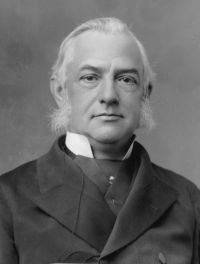
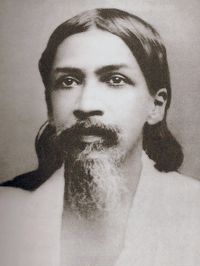
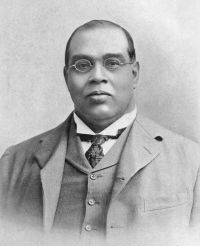
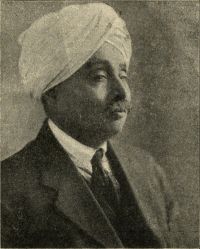
Scholars such as Surendranath Dasgupta emphasized its profundity, while F. Max Müller underscored its significance in shaping human thought. Charles Eliot observed its cyclical worldview, and W. T. Stace contrasted its emphasis on salvation with Greek philosophy's quest for knowledge. This integration highlights Indian philosophy's depth and lasting impact on spiritual and intellectual traditions.
 Surendranath Dasgupta,
A History of Indian Philosophy…