Iras

Definition and stakes

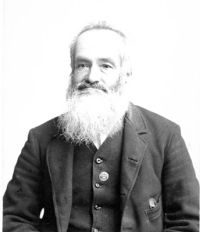
Portrait of Georg Ebers Georg Ebers,  Cleopatra — Volume 01

“ Yes, Iras, Iras—I like to utter the name. Yet I do not love her, and she—loves only herself, and—a thing few can say—another still more. What is the world, what am I to her, compared with the Queen, the idol of her heart? Since Cleopatra's departure, Iras seems like the forsaken Ariadne, or a young roe which has strayed from its mother. But stop; she may have a hand in the game: the Queen trusted her as if she were her sister, her daughter. No one knows what she and Charmian are to her. They are called waiting-women, but are their sovereign's dearest friends. ”
Source: Gutenberg

Portrait of Georg Ebers Georg Ebers,  Cleopatra — Complete

“ I am not vain enough to suppose that I could win her heart, but unfortunately there are many who cannot forgive the power of attraction which she exerts over me as well as upon all. So many men gladly visit Barine’s house that there are an equal number of women who would rejoice to close it. Among them, of course, is Iras. She dislikes my friend; nay, I fear that what you witness yonder is the apple she flung in order, if not to ruin, at least to drive her from the city, ere the Queen—may the gods grant her victory!—ere Cleopatra returns. You know your niece Iras. ”
Source: Gutenberg

Portrait of Georg Ebers Georg Ebers,  Cleopatra — Volume 01

“ Before I entered my litter at Lochias, the boy returned, and I talked with him."
"Young Caesarion loves Barine," replied Dion with grave earnestness.
"Then this horrible folly is known?" asked Iras excitedly. "A passion far deeper than I should ever have expected this dreamer to feel has taken possession of him. And if the Queen should now return—perhaps less successful than we desire—if she looks to those from whom she still expects pleasure, satisfaction, lofty deeds, and learns what has befallen the boy—for what does not that sun-bright intellect learn and perceive?
”
Source: Gutenberg

Get perspective with Kwize: daily news enlightened by great literature