John Eliot

Definition and stakes

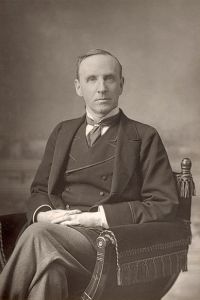
Portrait of Samuel Rawson Gardiner Samuel Rawson Gardiner,  A Student's History of England…

“ The Opposition, however, found a leader in Sir John Eliot, who, though he had formerly been a friend of Buckingham, was now shocked at the misconduct of the favourite and regarded him as a selfish and unprincipled adventurer. Eliot was not only a natural orator, but one of the most pure-minded of patriots, though the vehemence of his temperament often carried him to impute more evil to men of whom he thought badly than they were really guilty of. ”
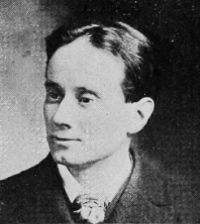
Source: Gutenberg

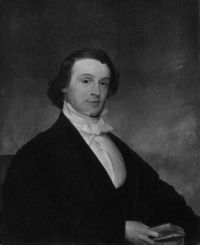
Portrait of Joseph Clayton Joseph Clayton,  Leaders of the People: Studies in Democratic History

“ On November 27th, 1632, the spirit of John Eliot, unbroken by captivity, passed from the body his gaolers had deprived of life. A last appeal from his son to the king for the removal of his father’s body into Cornwall, there to lie with those of his ancestors at Port Eliot, received the curt refusal, “Let Sir John Eliot’s body be buried in the church of the parish where he died.” And so he was buried in the Tower, and no stone marks the spot where he lies. ”
Source: Gutenberg

Newell Dwight Hillis,  Great Men as Prophets of a New Era

“ But political England was as dark and troublesome as the religious world of that day. One of the noblest men of the time was Sir [Pg 94] John Eliot. He was the child of wealth and opportunity. The university had lent him culture, travel had lent breadth, and leisure had given him the opportunity to grow wise and ripe. His nature was singularly lofty and devout, his temper ardent and chivalric. His one ambition was to serve his mother country. A vice-admiral, he was given power to defend the commerce of the country and overthrow the pirates. ”
Source: Gutenberg

Get perspective with Kwize: daily news enlightened by great literature