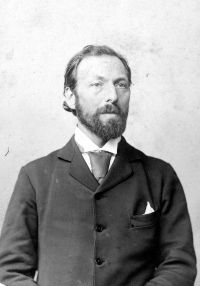
John Maynard Keynes

Definition and stakes

Portrait of John Maynard Keynes John Maynard Keynes The Economic Consequences of the Peace…

The policy of reducing Germany to servitude for a generation, of degrading the lives of millions of human beings, and of depriving a whole nation of happiness should be abhorrent and detestable -- abhorrent and detestable, even if it were possible, even if it enriched ourselves, even if it did not sow the decay of the whole civilised life of Europe. Some preach it in the name of justice. In the great events of man's history, in the unwinding of the complex fates of nations, justice is not so simple.
Source: Wikisource

Portrait of John Maynard Keynes John Maynard Keynes The Economic Consequences of the Peace…

It is difficult to maintain true perspective in large affairs. I have criticised the work of Paris, and have depicted in sombre colours the condition and the prospects of Europe. This is one aspect of the position and, I believe, a true one. But in so complex a phenomenon the prognostics do not all point one way; and we may make the error of expecting consequences to follow too swiftly and too inevitably from what perhaps are not all the relevant causes. The blackness of the prospect itself leads us to doubt its accuracy
Source: Wikisource

Portrait of John Maynard Keynes John Maynard Keynes The General Theory of Employment… (1936)

As he watched revolutions in both Germany and Russia, John Maynard Keynes was ready for drastic action to rescue capitalism from the stubborn hands of classical economists who refused to intervene. He set aside deeply rooted beliefs that "supply creates its own demand" and simply states, "the postulates of the classical theory are applicable to a special case only and not to the general case."
Source: Gutenberg

Get perspective with Kwize: daily news enlightened by great literature