Kentish Town

Definition and stakes

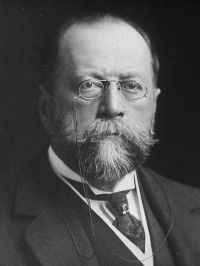
Portrait of Compton MacKenzie Compton MacKenzie,  Sinister Street, vol. 2

“ Michael’s brief pause was enough to make such an impression of pandemoniac din as almost to drive out his original conception of Kentish Town as a menacing and gruesome suburb. But just as the cab reached the beginning of the Camden Road, he caught sight of a slop-shop where old clothes smothered the entrance with their mucid heaps and, just beyond, of three houses from whose surface the stucco was peeling in great scabs and the damp was oozing in livid arabesques and scrawls of verdigris. ”
Source: Gutenberg

J. W. Horsley,  Place Names in Kent

“ Tenterden is named, says an old Kentish writer, as “some vulgar fancies conjecture, from the tenderness of its soil”; Feversham, says another old Kentish writer, Phillipott, useful as an historian, useless to etymologists, “is an unhealthy town, and carries the tokens of it in its name.” Id. est., the home of fevers! Harbledown, says Black, is so-called “in allusion to its grassy downs and hills,” as if grassiness were not a characteristic of any and every down and hill in Kent. ”
Source: Gutenberg

Edward Hutton,  England of My Heart : Spring

“ Lacking as it is in almost all material antiquity, it has little that is beautiful to show us, a fine church with a noble tower that has been rather absurdly compared with the Angel Steeple at Canterbury—nothing more—and its history is almost as meagre. It stands, the first town of the Kentish Weald, where the East Stour flows into the Great Stour, in the very mouth of the deep valley of the latter which there turns northward through the Downs. ”
Source: Gutenberg

Get perspective with Kwize: daily news enlightened by great literature