Megasthenes

Definition and stakes

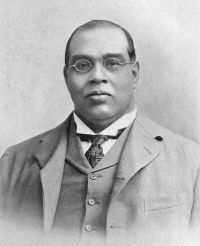
Portrait of Romesh Chunder Dutt Romesh Chunder Dutt,  History of India (1906)

“ Of the Sramans, or ascetics, Megasthenes tells us that "they live in the wood, where they subsist on leaves of trees and wild fruits, and wear garments made from the bark of trees. They communicate with the kings, who consult them by messengers, regarding the causes of things, and who through them worship and supplicate the deity." Some of them practised medicine, and Megasthenes writes: "They effect cures rather by regulating diet than by the use of medicines. ”
Source: Wikisource

Strabo,  The Geography of Strabo, Volume 1…

“ No faith whatever can be placed in Deimachus and Megasthenes. They coined the fables concerning men with ears large enough to sleep in, men without any mouths, without noses, with only one eye, with spider-legs, and with fingers bent backward. They renewed Homer’s fable concerning the battles of the Cranes and Pygmies, and asserted the latter to be three spans high. They told of ants digging for gold, of Pans with wedge-shaped heads, of serpents swallowing down oxen and stags, horns and all; meantime, as Eratosthenes has observed, reciprocally accusing each other of falsehood. ”
Source: Gutenberg

Megasthenes,  Ancient India as described by Megasthenês and Arrian (1877)

“ Schwanbeck, with great industry and learning, has collected all the fragments that have been anywhere preserved, and has prefixed to the collection a Latin Introduction, wherein, after showing what knowledge the Greeks had acquired of India before Megasthenês, he enters into an examination of those passages in ancient works from which we derive all the little we know of Megasthenês and his Indian mission. ”
Source: Wikisource

Get perspective with Kwize: daily news enlightened by great literature