Mercure de France

Definition and stakes

A World of Wonders, with Anecdotes and Opinions Concerning Popular Superstitions

About the year 1725, the marvellous history of a Portuguese woman set the whole world of science into confusion, as will be found by referring to the Mercure de France. This female was said to possess the gift of discovering treasures. Without any other aid than the keen penetration of her eyes, she was able to distinguish the different strata of earth, and pronounce unerringly upon the utmost distances at a single glance. Her eye penetrated through every substance, even the human [Pg 112] body
Source: Gutenberg

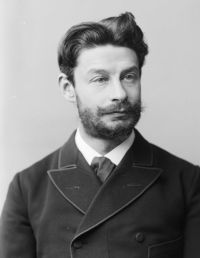
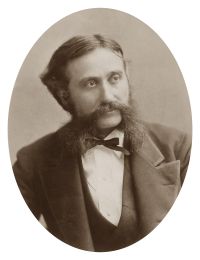
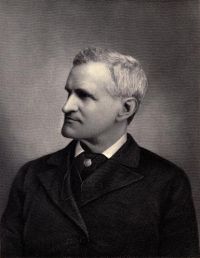
Portrait of Georg Brandes Georg Brandes Main Currents in Nineteenth Century Literature - 3…

The following utterance of the editor of the Journal des Débats gives us some notion of the general tone of that paper: "When I say the philosophy of the eighteenth century, I mean everything that is false in legislation, morals, and politics." The Neo-Catholics had another newspaper entirely in their hands, the Mercure de France, the most notable contributors to which were Chateaubriand and Bonald. The authors who formed the remnant of the army of the eighteenth century attempted to combat the influence of these powerful journals, but with little success.
Source: Gutenberg

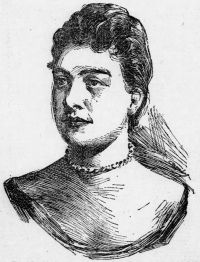
Portrait of Albert Payson Terhune Albert Payson Terhune Superwomen

Old Philippe the Regent was misgoverning France just then; and to say that his court was morally rotten would be gross flattery. The unapproachable Lecouvreur was thus a freak, as well as a delight. Like the good, old, overworked "breath of mountain air in a slum," this loveless genius swept through the palaces of Paris and Versailles. A hundred nobles longed for her favor. Not one could boast that he had so much as kissed her lips. Here is her picture, sketched from the Mercure, of 1719:
Without being tall, she is exquisitely formed and has an air of distinction.
Source: Gutenberg

Get perspective with Kwize: daily news enlightened by great literature