Mongol Empire

Definition and stakes

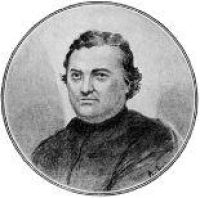
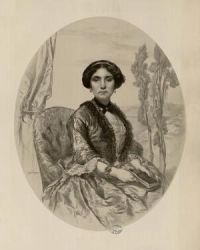
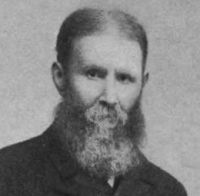
Portrait of Jeremiah Curtin Jeremiah Curtin The Mongols: A History (1907)

To the Europeans who cowered in horror before them, the squat, slit-eyed, brawny horsemen, “with faces like the snouts of dogs,” seemed as hideous and fearsome as demons, and as irresistible by ordinary mortals. They conquered China and set on the throne a Mongol dynasty. India also their descendants conquered, and there likewise erected a great Mongol empire. Persia in the same way fell into their hands. Their armies, every soldier on horseback, marched incredible distances and overthrew whatever opposed them.
Source: Gutenberg

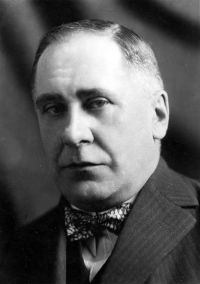
Marco Polo The Travels of Marco Polo — Volume 1

The chief throne of the Mongol Empire had just been ascended by Kúblái, the most able of its occupants after the Founder. Before the death of his brother and predecessor Mangku, who died in 1259 before an obscure fortress of Western China, it had been intended to remove the seat of government from Kara Korum on the northern verge of the Mongolian Desert to the more populous regions that had been conquered in the further East, and this step, which in the end converted the Mongol Kaan into a Chinese Emperor, [3] was carried out by Kúblái.
Source: Gutenberg

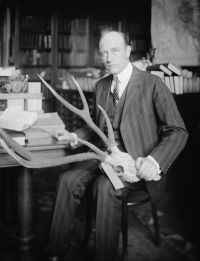
Peter A. Kropotkin, John T. Bealby, Walter A. Phillips. and Donald Mackenzie Wallace 1911 Encyclopædia Britannica, Volume 23… (1911)

So long as the Mongol empire remained united and strong, they were most submissive and obsequious, but as soon as it was weakened by internal dissensions and began to fall to pieces, they assumed airs of independence, intrigued with the insubordinate Tatar generals, retained for their own use the tribute collected for the grand khan, and finally put themselves at the head of the patriotic movement which aimed at throwing off completely the hated Mongol yoke.
Source: Wikisource

Get perspective with Kwize: daily news enlightened by great literature