Orchomenus

Definition and stakes

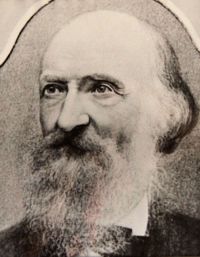
Portrait of James George Frazer James George Frazer,  Studies in Greek Scenery, Legend and History

“ Now Strabo, as we have seen, has preserved a tradition that the bed of the lake was at one time drained and cultivated by the people of Orchomenus. We shall therefore hardly err in ascribing to the Minyans of Orchomenus—the Dutchmen of antiquity—the extensive system of dykes and canals by which the vast plain was reclaimed from the waters and converted into waving corn-fields and smiling vineyards, which poured wealth into the coffers of the burghers. This was the golden age of Orchomenus, when its riches vied with the treasures of Delphi and the wealth of Egyptian Thebes. ”
Source: Gutenberg

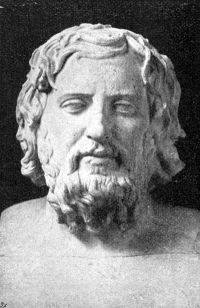
Portrait of Plutarch Plutarch,  Plutarch's Lives — Sylla (1859)

“ Of all the plains in Boeotia that are renowned for their beauty and extent, this alone, which commences from the city of Orchomenus, spreads out unbroken and clear of trees to the edge of the fens in which the Melas, rising close under Orchomenus, loses itself, the only Greek river which is a deep and navigable water from the very head, increasing also about the summer solstice like the Nile, and producing plants similar to those that grow there, only small and without fruit. ”
Source: Wikisource

1911 Encyclopædia Britannica (1911)

“ In prehistoric times Orchomenus, as is proved alike by archaeological finds and by an extensive cycle of legends, was one of the most prosperous towns of Greece. It was at once a continental and a maritime power. On the mainland it controlled the greater part of Boeotia and drew its riches from the fertile lowlands of Lake Copais, upon the drainage of which the early kings of Orchomenus bestowed great care. ”
Source: Wikisource

Get perspective with Kwize: daily news enlightened by great literature