Popol Vuh

Definition and stakes

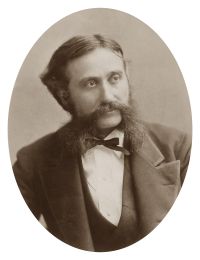
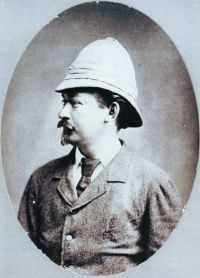
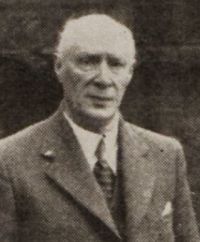
Portrait of Lewis Spence Lewis Spence,  The Myths of Mexico and Peru (1913)

“ The fourth book of the Popol Vuh contains the pseudo-history of the Kiche kings. It is obviously greatly confused, and it would be difficult to say how much of it originally belonged to the Popol Vuh and how much had been added or invented by its latest compiler. One cannot discriminate between saga and history, or between monarchs and gods, the real and the fabulous. Interminable conflicts are the theme of most of the book, and many migrations are recounted. ”
Source: Wikisource

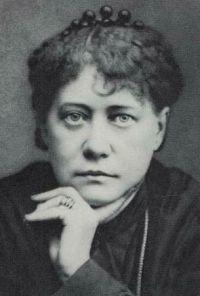
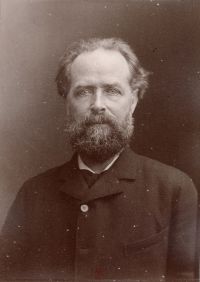
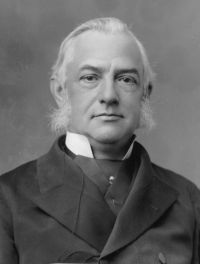
Portrait of F. Max Müller F. Max Müller,  Chips from a German Workshop, Volume 1

“ All we know is, that the author wrote his anonymous work because the 'Popol Vuh'—the national book, or the national tradition—was dying out, and that he comprehended in the first two sections the ancient traditions common to the whole race, while he devoted the last two to the historical annals of the Quichés, the ruling nation at the time of the Conquest in what is now the republic of Guatemala. ”
Source: Gutenberg

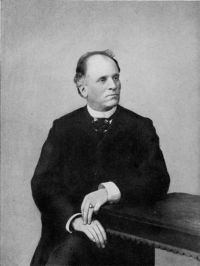
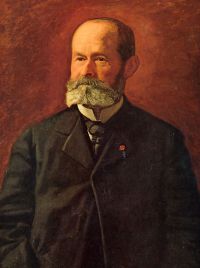
Portrait of Hubert Howe Bancroft Hubert Howe Bancroft,  The Native Races [of the Pacific states…

“ Helps' Spanish Conquest, vol. iv., pp. 455-6. Professor Müller in his essay on the Popol Vuh, has in one or two places misunderstood the narrative. There was no such creation of man as that he gives as the second, while his third creation is the second of the original. Again, he makes the four Quiché ancestors to be the progenitors of all tribes both white and black; while they were the parents of the Quiché and kindred races only. The course of the legend brings us to tribes of a strange blood, with which these four ancestors and their people were often at war. ”
Source: Gutenberg

Get perspective with Kwize: daily news enlightened by great literature