Roman comedy

Definition and stakes

R. W. Browne,  A History of Roman Classical Literature

“ It is plain, however, that Roman comedy was calculated to produce a moral result, although the morality which it inculcated was extremely low: its standard was merely worldly prudence, its lessons utilitarian, its philosophy, like that of Menander himself, Epicurean, and therefore it did not inculcate an unbending sense of honour, the self-denying heroism of the Stoic school, or that rigid Roman virtue which was akin to it—it contented itself with encouraging the benevolent affections. ”

Source: Gutenberg

Charles Thomas Cruttwell,  The History of Roman Literature

“ Of the three kinds of poetry cultivated in this early period, comedy, which, according to Quintilian [9] was the least successful, has been much the most fortunate. For whereas we have to form our opinion of Roman tragedy chiefly from the testimony of ancient authors, we can estimate the value of Roman comedy from the ample remains of its two greatest masters. The plays of Plautus are the most important for this purpose. Independently of their greater talent, they give a truer picture of Roman manners, and reflect more accurately the popular taste and level of culture. ”
Source: Gutenberg

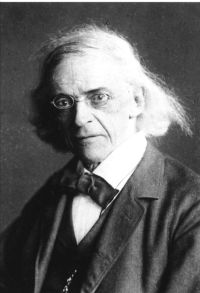
Portrait of Richard Claverhouse Jebb Richard Claverhouse Jebb,  Essays and Addresses (1907)

“ This seems to have been the first and last attempt of Roman Comedy to serve as an organ of popular opinion. The Roman reverence for authority was outraged by the idea of a public man being presented in a comic light on the boards of a theatre. On the other hand, Roman feeling allowed a public man to be attacked, in speaking or in writing, with almost any degree of personal violence, provided that the purpose was seriously moral. Hence the personal criticism of statesmen, which at Athens had belonged to Comedy, passed at Rome into another kind of composition. ”
Source: Wikisource

Get perspective with Kwize: daily news enlightened by great literature