Spenserian stanza

Definition and stakes

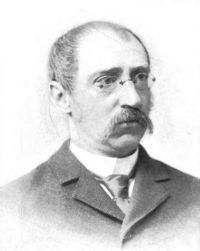
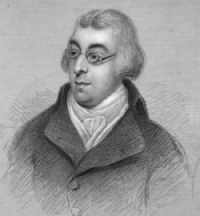
Portrait of George Saintsbury George Saintsbury,  A History of Elizabethan Literature

“ But the Spenserian stanza, as it is justly called, is his own and no one else's, and its merits, especially that primal merit of adaptation to the subject and style of the poem, are unique. Nothing else could adapt itself so perfectly to the endless series of vignettes and dissolving views which the poet delights in giving; while, at the same time, it has, for so elaborate and apparently integral a form, a singular faculty of hooking itself on to stanzas preceding and following, so as not to interrupt continuous narrative when continuous narrative is needed. ”
Source: Gutenberg

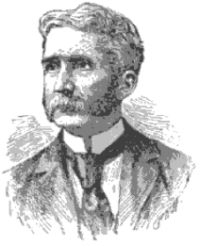
Raymond MacDonald Alden,  English Verse: Specimens Illustrating its Principles and History

“ Professor Corson remarks: "Probably no English poet who has used the Spenserian stanza, first assimilated so fully the spirit of Spenser, ... as did Keats; and to this fact may be partly attributed his effective use of it as an organ for his imagination in its 'lingering, loving, particularizing mood.'" (Primer of English Verse, p. 124.)
[Pg 106]
The splendors of the firmament of time
May be eclips'd, but are extinguish'd not;
Like stars to their appointed height they climb,
And death is a low mist which cannot blot
The brightness it may veil.
”
Source: Gutenberg

Get perspective with Kwize: daily news enlightened by great literature