Stationers' Company

Definition and stakes

Henry Curwen,  A History of Booksellers, the Old and the New

“ In England the first stationers were probably themselves the engrossers of what they sold, when the learning and literature of the country demanded as the chief food A B C’s and Paternosters, Aves and Creeds, Graces and Amens. Such was the employment of our earliest stationers, as the names of their15 favourite haunts—Paternoster Row, Amen Corner, and Ave Maria Lane—bear ample witness; while the term stationer soon became synonymous with bookseller, and, in connection with the Stationers’ Company, of no little importance, as we shall soon see, in our own bookselling annals. ”
Source: Gutenberg

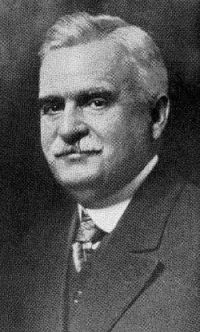
Portrait of Talbot Baines Reed Talbot Baines Reed,  A History of the Old English Letter Foundries

“ The Stationers’ Company, who from time to time supplemented the powers conferred upon them by the Star Chamber with regulations of their own on matters such as standing formes, apprentices and prices, would naturally recognise a source of danger in a new foundry starting under the circumstances described, and were prompt to assert their authority. ”
Source: Gutenberg

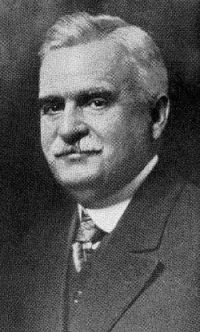
Frederick W. Hamilton,  A Brief History of Printing in England

“ About seventy-six of these companies still continue to exist. They survive mainly for charitable and philanthropic purposes, conserving and administering the large funds which were accumulated in early centuries.
The Stationers’ Company was organized in 1557 partly because the printers saw the necessity for organization and regulation of the industry, and partly because the crown desired a better means for controlling printing than had theretofore existed.
”
Source: Gutenberg

Get perspective with Kwize: daily news enlightened by great literature