Temple of Vesta

Definition and stakes

Edward Sylvester Ellis 1000 Mythological Characters Briefly Described

Vesta (Ves′ta) , daughter of Saturn and Cybele, was the goddess of the hearth and its fire. She had under her special care and protection a famous statue of Minerva, before which the Vestal Virgins kept a fire or lamp constantly burning.
Vestal Virgins (Ves′tal Vir′gins) were the priestesses of Vesta, whose chief duty was to see that the sacred fire in the temple of Vesta was not extinguished. They were always selected from the best families, and were under a solemn vow of chastity, and compelled to live perfectly pure lives.
Source: Gutenberg

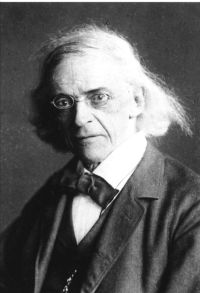
Portrait of Jean Paul Jean Paul Titan: A Romance. v. 2 (of 2)

Holy spot, where already so many thousand hearts have sacredly burned and blissfully wept, and been constrained to say, Life is great! Serenely and steadily sparkles the city overhead in the sunshine down over the watery crater; proudly does the rent Temple of Vesta, garlanded with almond-blossoms, look down from its rock upon the whirlpools which undermine it; and opposite to it the tempestuous Anio preludes at once all that earth and heaven have of greatness,—the rainbow, the eternal lightning and thunder, rain, cloud, and earthquake.
Source: Gutenberg

S. Russell Forbes Rambles in Rome

The old town held in high reverence Hercules, the Sibyl, and Vesta, and the remains of temples dedicated to the latter are still visible immediately above the cascades on the edge of the present city limits. It is generally in Vesta's temple that tourists to the locality spread out and partake of the provisions brought with them from Rome; this is only advisable in warm weather. This circular Temple of Vesta is surrounded by an open corridor of Corinthian columns, ten of which still remain.
Source: Gutenberg

Get perspective with Kwize: daily news enlightened by great literature