Turkish culture

Definition and stakes

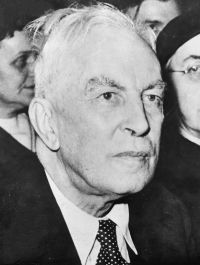
Portrait of Arnold Toynbee Arnold Toynbee,  Turkey: a Past and a Future

“ Yet who is to help Turkey forward if not the Greeks, Armenians, and Syrians, who constitute more than a quarter of the population of the Empire? The Turks, the least gifted of the races living in Turkey, are themselves only a minority of the population, and are still far behind the Arabs in culture. Where is there any Turkish trade, Turkish handicraft, Turkish industry, Turkish art, Turkish science? They have even borrowed their law and religion from the conquered Arabs, and their language, so far as it has been given literary form. ”
Source: Gutenberg

B. Granville Baker,  The Passing of the Turkish Empire in Europe

“ It is doubtful though whether those early Turkish tribes, if they had come under the influence of Christianity instead of Islam, would have advanced any further on the path of culture than they have arrived to-day. Though they have been in contact with the West since the seventh century, though they conquered the Empire of the East and made its Christian peoples their subjects, and from the City of Constantine overflowed Eastern Europe up to the gates of Vienna, yet the Turk has learnt nothing. ”
Source: Gutenberg

Harry Stürmer,  Two war years in Constantinople

“ Someone has said: "The greatest enemy of Turkey is the Turk." I have too much love for the Turkish people, too much sympathy for them, to adopt this pessimistic attitude without great inward opposition; but unfortunately it is only too true. We have seen how the Turkey of Enver and Talaat has reacted sharply against the Western-minded, [Pg 263] liberal era of the 1876 and 1908 constitutions, and has turned again to Asia and her newly discovered ideal, Turanism. To the Turks of to-day, European culture and civilisation are at best but a technical means; they are no longer an end in themselves. ”
Source: Gutenberg

Get perspective with Kwize: daily news enlightened by great literature